When the neolatin population of Roman Dalmatia was massacred by the Avars and Slavs, the survivors were divided in two groups: those in the coastal areas who took refuge in the islands with a few walled cities like Ragusa, Spalato and Zara (now called Dubrovnik, Split and Zadar) and those who moved to the mountains & highlands where they lived a pastoral life.
The first (more civilized) were called Dalmatians while the second Vlachs. In Dalmatia the neolatin Dalmatians after some centuries were assimilated by the Italians of the Republic of Venice: by the fourteenth century they practically disappeared in a process of "italianization" (the last was Antonio Udaina, who was the last speaker of the Dalmatian language when he died in 1898-according to the linguist Matteo Bartoli).
But the other group, the Vlachs, grew in importance in the Balkans until the Turkish invasion pushed some of them into the Dalmatia owned by the Venetians. They were poor people but with warrior attitude. Their occupations were mostly trading, shepherding and craftsmanship, but judging from their variety of ancient vocabulary related to agriculture we can assume that in the late Roman period they were mostly farmers.
Indeed the Vlachs moved into central coastal Dalmatia, controlled by the Republic of Venice, initially in the 1300s, when the Ottoman invasion of the Balkans started.
They were called by the Venetians with the name "Morlacchi" (or "Mor(ava-va)lacchi"; in english: "Vlachs from Morava river" or "Morlaks") and came mainly from the Bosnia-Erzegovina's "Romanija" and the Serbia's "Stari Vlah", but some of them even from Montenegro and Kossovo/Albania. Most of them spoke their original neolatin language, but with many serbo-croatian words and sentences. Indeed one sixteenth-century Venetian writer described the Vlachs of the Dalmatian hinterland as speaking "Latin, though in a corrupted form" (some shepherds in those mountains were still using Vlach counting-words as recently as 1985).
Cristian Luca wrote -in his book: The Vlachs/Morlaks in the Hinterlands of Traù and Sebenico- that "the Romanic origin and the linguistic and ethnic communion between the Vlachs and the Romanians living to the north of the Danube are well known, so that it is not necessary to bring into discussion the theories, which are devoid of any scientific basis, which consider the Vlachs/Morlaks/Aromanians as Greeks or Slavs. In the case of the Morlaks from Dalmatia, it is true that they were gradually slavicized, although the process which led to their assimilation into the Croatian population lasted for several centuries".
The term “Vlach” originates from the old Germanic words Walh/Walah/Welsch, meaning "people of the Wall" (the Roman Limes) and is related to the words “Italian,” “French,” or generally “Roman.” Similarly, in medieval Croatian documents in Latin language, the term is translated as Latinus, i.e., “Latin.” As for the question of the origin of the Vlachs, we know for sure that the Vlachs were descendants of an indigenous Romanised pre-Slavic Balkan population living in the highlands of the central Balkans, such as Illyrians, Thracians, and Dacians, who had mixed with Roman colonists from the Italian peninsula.
Unlike the population of Roman towns and villages in the Balkans that disappeared after the migration of the Slavs, the nomadic/semi-nomadic Vlachs survived the Slavic massacres as an individual entity. In the course of time, however, under the influence of a Slavic environment the outnumbered Vlachs started to Slavicise and at first, became bilingual after the IX-X century. By contrast, some of the Slavic population in some areas adopted the transhumant life-style of the Vlachs and mixed with the Vlachs in some areas, like in Rascia/Arsia (originating the first state of the Serbs).
Cristian Luca also wrote that from the 15th century, the Vlachs in Dalmatia were also called "Morlaks", and from about the first decades of the 18th century, they became also named "Aromanians" or "Macedoromanians", belonging, from an ethno-linguistic point of view, to the Eastern Romanity, being speakers of a Romanian dialect. As mentioned above, the Vlachs settled in Dalmatia and then in Bosnia, mainly from the beginning 14th century, and came from the mountainous areas of the central Balkan Peninsula. They were scattered – in small, closed communities, united in a strong solidarity which arose from dealing exclusively in long term transhumant sheep breeding – in different parts of the South-Danubian area. Their presence was frequently attested to in sources from the 12th-18th centuries in Albania, Macedonia, Bulgaria, Serbia, Montenegro, Bosnia, Herzegovina, Croatia and mainland Greece (even in several Greek islands).
Although traditionally devoted to transhumant sheep breeding, there is also early documentary evidence mentions their presence in the Balkan Peninsula, and their excellent enterprising ingenuity in engaging in the caravan trade. By the first decades of the 17th century, they had established themselves as one of the most important groups of trading middlemen between the Italian Peninsula and Eastern Europe.
The migration of several groups of Vlachs/Morlaks from inside the Balkan Peninsula towards the coast of Venetian Dalmatia (Venetian Dalmatia on English Wikipedia) was also determined by the phenomenon of transhumance, which was the main occupation of this Romanic population. In it, sheep were bred in open areas, in the pastures of the high mountain ranges of the Balkan region. Transhumant sheep breeding imposed seasonal rhythmic cycles on the movement of flocks. Thus, as a result of their search for areas with a milder climate to settle down for the winter, the Vlach shepherds begin arrived on the coasts of central Dalmatia in the 14th century, where their presence was frequently reported in contemporary sources. In this coastal region they found pastures all along the winter, so that many decided to settle in the hinterland of urban centers under Venetian domination. In the subsequent centuries, some of them divided their existence between the Dinaric Alps, where they were kept their herds from spring until autumn, and these Dalmatian regions.
A situation of this kind can be found in the 16th century in the hinterlands of the towns of Traù (Trogir in Serbo-Croatian) and Sebenico (Šibenik in Serbo-Croatian), which had been part of Venice’s "Stato da Mar" since the second decade of the 15th century. Sebenico, is located in central Dalmatia, at the point where the Krka river flows into the Adriatic Sea. It is situated at about 30 km west of Traù. However both ports were economically eclipsed in importance by another Venetian port, Spalato (Split), the main transit center which coordinated the trade on the Balkan land routes between the Serenissima and Eastern Europe. Sebenico, through its strategic position and the military functions of its port, had an important role in defending the Venetian possessions in Dalmatia. Therefore Serenissima’s government decided to build a fortification named St.Michael, on the heights that dominated the city. In its turn, Traù was mainly protected by its natural location, the urban settlement being built on two islands lying in front of the central Dalmatian coast.
In 1774, when abbot Alberto Fortis made his famous journey in Dalmatia, the Vlachs/Morlaks from the settlements on the Krka river, including those in the hinterland of the town of Sebenico, were not yet slavicized, although the Venetian author inaccurately assigned them this origin.
Prior to Fortis, Giovanni Lucio, quoted by Jacob Spon and George Wheler, mentioned the Romanic origin of the Morlaks of Dalmatia and their ethnic and linguistic affinity with the Wallachians from the Romanian Principalities.
Venetian sources from the second half of the 16th century recorded the earlier stages of the Vlachs/Morlaks penetration and establishment into the hinterland of the town of Traù. In 1562 the inhabitants of the town of Trau (the old Tragurium) which belonged to Serenissima’s "Stato da Mar" mentioned the seasonal presence of the Vlachs/Morlaks in the area, where they had started arriving in 1525 to find winter shelter for their herds: in less than a decade, by 1531, the Vlachs/Morlaks had steadfastly settled down in the territory of the town of Traù, near the border with the Ottoman province of Bosnia.
The newcomers founded several rural settlements and began to grow grain on the neighbouring arable lands. Finally, in 1550 no less than 11 settlements inhabited by the Vlachs/Morlaks were recorded. They were located in Veneto-Ottoman border territory, in the area lying between Traù and Sebenico: Labin,Opor, Trilogue (Trolokve), Radosich (Radošić), Podine, Vrsno, Liubitoviţa(Ljubitovica), Lepeniţa (Lepenica), Prapatnica, Suchidol (Suhi Dolac) and Sitno.
The Vlach/Morlak settlements from the hinterland of Traù were already a demographic, economic and administrative certainty in 1626, when another morlak settlement was done: in the area of the port-town of Sebenico a gradual penetration of the Vlach/Morlak shepherds, merchants and carters, was also recorded. The latter were also active at Zara (Zadar) and Traù, but without having settled down in the Trau hinterland, where the establishments mentioned earlier had been founded by the shepherds and their families.
Indeed during the first years of the second half of the 16th century, the Vlachs/Morlaks were exploiting, together with the Venetian subjects of Sebenico, several mills built on the Krka river, near Scardona (Skradin). The Vlachs/Morlaks penetrated only temporarily into the territory of the town of Sebenico, without attempting to establish durable settlements in the area under the jurisdiction of the Serenissima and recognized as such by the Sultan Süleyman I Kanûn.
The Bunjevci, a group of Vlachs who presumably originated from western Herzegovina, migrated to venetian Dalmatia in the early 1400s, and from there to Lika and Bačka (actual northern Serbia) in the 16th and 17th century. They were catholic "Vlasi", who escaped from the Ottoman invasions and slowly were fully assimilated by the Croats.
The Bunjevci's roots were in middle-ages Bosnia-Erzegovina, a country with a majority of inhabitants speaking a neolatin language before the year 1000 AD (see map above).
Tuesday, July 5, 2016
Tuesday, June 7, 2016
PLANNED ITALIAN ATTACKS ON 1943 NEW YORK
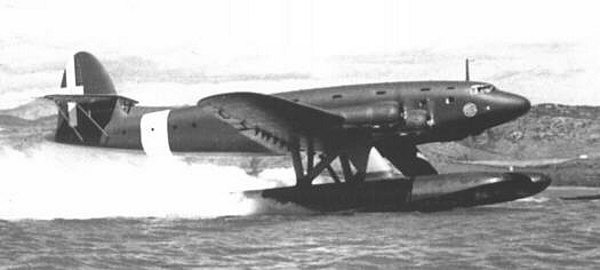
Italians during WW2 planned attacks on New York, after the entry in the war of the United States in December 1941. There were two plans: one by navy and a second by aircraft. The most famous is the first, planned by Junio Valerio Borghese, but even the second (that was purely symbolic -by direct orders of the same Mussolini- because planned to drop only some leaflets (Italians planned an attack on New York with a big hydroplane) is worth some research and remembrance.
The Italian CANT Z.511, the biggest hydroplane in History, was ready to attack New York in 1943
The attack by navy
The activities of the "10th Light Flotilla" (armed with the famous "Maiali" and called "Decima MAS" in Italian language) of the "Marina italiana" during WW2 were not limited to the Mediterranean. The commander of this Italian Navy's special operations unit, prince Junio Valerio Borghese, was responsible for the planning of an attack on the New York harbour, that for a group of reasons was not done.
Indeed in 1942, after the United States entered the war, Borghese devised a plan to attack the New York Harbor using a "CA type" midget submarine and commando frogmen (read The Southeast Missourian: Italians planned attack on New York ). The midget submarine would be transported across the Atlantic by being carried on the deck of a larger submarine. The Italian submarine Leonardo da Vinci was chosen for the task of transportation and modified at the Italian base in Bordeaux (called BETASOM).
Borghese planned even another similar attack against a British base in Freetown (Sierra Leone) and studied in 1942 the successful tests of a midget submarine in Lake Iseo of Lombardy.
Here it is an essay on this planned attack, appeared on www.regiamarina.net, and written by Cristiano D'Adamo:
The role of Borghese in the 10th Light Flotilla would be an important one. This man was not just a commanding officer, but also a leader. As he would later write, he perfectly understood the value of “the psychological effect on the Americans, who had not yet undergone any war offensive on their own soil” In his view, it was paramount to conduct an attack outside the Mediterranean. The idea was audacious, but realistic. The Germans had concocted similar plans relying on agent saboteurs to infiltrate the United States and damage critical production or manufacturing sites, but failed. These attacks were prevented by the highly developed American information system and by the insular nature of the American continent. The Japanese, well after the attack on Pearl Harbor, sent a submarine to bomb the California coast, causing minimal damage but much turmoil.
The physiological damage caused by this attack would have been much greater than the actual physical one.
The "CA 3" midget submarine that was planned to be used in the attack
Borghese intended to bring war to the American continent by conducting an action that would be demonstrative in nature and which would have limited military value in damage inflicted, but enormous value in terms of psychological effects. The plan, to which today we have only limited documentation, called for the delivery of an insidious weapon off Fort Hamilton to then have this craft navigate upriver toward the Hudson River and deliver explosive charges to some of the merchant ships docked along West Street. Due to the nature of the harbor and the distance of New York from the nearest Axis-occupied port, the use of human torpedoes was not only unsuited, but also impractical. In the Mediterranean, the 10th Light Flotilla had used delivery submarine equipped with three cylindrical containers mounted on deck. Later, the cylinders would become four and would be installed to the side of the hull. The cylinders were used to protect the human torpedoes from the weather, but made navigation harder and, due to their size, increased the profile of the vessel, thus increasing the risk of being spotted. For the attack against New York, the 10th Light Flotilla would have had to employ a different craft, one designed for longer missions, one protecting its crew from the weather, but still one small in size and stealthy. The solution would be found in a warehouse in the military port of La Spezia.
The craft in question, known as a CA, was the invention of the firm Caproni, originally founded by Giovanni Caproni and well-known around the world for the construction of advanced airplanes, winners of many world records. During the crisis of 1935, when Italy was on the brink of war with Great Britain and during the same period when the Italian Navy instituted what would later become the 10th Light Flotilla, his firm was asked to collaborate with the Regia Marina in the construction of new assault weapons. This collaboration between the aeronautic firm and the Navy was unique, but it also allowed for the introduction of new and unique engineering ideas in the relatively rigid field of naval engineering. Caproni sought the collaboration of a trained naval engineer and he selected Vincenzo Goeta, an independent naval consultant with offices in Genoa. In a few months, the Goeta-Caproni project, as it will be later known, was presented to the Italian Ship Design Committee of the Navy, a reputable bureau led by General Umberto Pugliese, an extremely talented individual highly recognized for the invention of an underwater protection system which bears his name. The project presented to the Navy in early 1936, and eventually approved three months later , was encouraging, especially because the ideas proposed by the Caproni firm were exceptionally innovative. The project was given the name “G”, and called for a craft with a crew of two, powered by a diesel engine and capable of launching torpedoes.
Caproni called this craft a “submergible motorboat”, but in reality it was a submarine. In Caproni’s vision, this little craft was the equivalent of a fighter plane; his previous experience in the aeronautic field was an important factor in shaping both the craft and its possible tactical utilization. Unfortunately, the Navy was not quite ready to embrace these new and somewhat radical ideas, but at the same time they were still interested in pursuing “Project G”. As common during the period, the Goeta-Caproni team was assigned an engineer from the Ship Design Committee, Major Spinelli, to begin constructing two prototypes which eventually came to be known as CA 1 and CA 2 . Construction began in earnest at the Caproni factory located in Taliedo, near Milan. This miniscule submarine had a resistant hull with semispherical caps at each end. Ballast tanks, torpedo launchers, and other components were placed externally to the resistant hull. The project called for a crew of two; the commanding officer would sit on a special seat from which he had access to the periscope and the controls, mostly a joystick, just like an airplane, and also navigational instrumentation resembling more a cockpit rather than a control room. The enlisted man would instead crawl near the engine since there was enough room to stand up.
The first prototypes were delivered to the Navy in 1938 in total secrecy. Loaded on a special railcar, the odd-looking crafts were properly disguised and taken to Lake Iseo near Brescia and Bergamo. This is a relatively small lake with a depth of about 750 feet (251 meters) and a perimeter of about 60 kilometers. The lake is shaped like an S and has a relatively large island in the middle. Initial testing confirmed the good quality of the crafts and allowed for the correction of some defects, and the improvement of many components. Naturally, due to the absence of salt, buoyancy in a fresh body of water was different from the ocean, thus testing continued in Venice. At the arsenal of Venice, a military shipyard with a long and lustrous history, three young officers began the official testing. They were Lieutenants Torri, Gatti and Meneghini . Testing confirmed some already known issues, mostly related to the sensitivity of the controls , but the submarines were able to navigate on the surface at a speed of 7 knots, 5 knots while submerged, and repeatedly launched the two 450 mm torpedoes without many inconveniences.
Having completed the tests in Venice, the two submarines were sent to La Spezia, Italy’s largest naval base. Experience acquired during the testing of CA 1 and CA 2 induced the design team to increase displacement of about 4 tons, reaching the 20 ton mark. Meantime, the two prototypes were abandoned and placed in storage, the same storage where they would be found by the 10th Light Flotilla. Having been laid up for over two years, the two submarines were in poor condition. It was decided to send them back to the factory for a complete refurbishing, but also to make some changes. The refurbished CAs were redesigned to better fit the needs of the 10th Light Flotilla, thus the torpedo launchers were removed and replaced with eight 100 Kg explosive charges. These charges would be manually placed under enemy ships by a frogman. The diesel engine was also removed as the boats were expected to operate like a “human torpedo”, thus within the range of the electric motor. Further alterations included the removal of the cunning tower and the periscope. With the combustion engine removed, the second crewmember became the operator of the explosive charges, also known as frogmen. The scuba equipment used was the same already employed by the operators of the human torpedo and consisted of a full-body rubber suit and a breathing apparatus fueled by pure compressed oxygen.
At the end of this work, the CA could have been considered a new craft. Range was limited to about 70 miles, underwater speed was increased to 6 knots and maximum depth was tested up to 47 meters: quite an achievement for such a small unit. Further testing brought forth more issues, some quite relevant. The explosive charges had been placed in the cavities left by the removal of the torpedo launcher at the base of the hull, but their position made the release of the charges themselves very difficult. Thus, the two cavities were eliminated and the charges were moved further up almost in line with the small deck. The hydraulic pump, made by the firm Calzoni, was found to be too noisy; this was a problem common to most Italian submarines. Thus, the pump was removed and replaced by one operated manually by one of the two crewmembers. During testing, CA 1 sank to the bottom of Lake Iseo due to a small failure and even if rescued, it would not be ready for action for quite some time. Thus, the 10th Light Flotilla was left with only one craft ready for action: CA 2.
Expecting the refurbishing of CA 1 to happen promptly, Commander Borghese envisioned two attacks to be carried out in the Atlantic; one against the British base of Freetown and one against New York. To deliver the midget submarines to their targets, Borghese needed submarines, but those already assigned to his unit were too small for oceanic navigation. Thus, according to his memoirs, Borghese attempted to obtain German submarines on loan from the Kriesgmarine, but it appears that Admiral Donitz, the commander of the German submarine forces, could not spare any. If a German submarine had been made available, the possibility of completing the attack would have been much greater because the U-Boats were newer, and more reliable and maneuverable than the rapidly aging Italian submarines.
During this period, the Italian Navy was still operating its Atlantic submarine base in Bordeaux and the Italian submarines were well suited for the task due to their large displacement, but were very limited in numbers. The commanding officer of the base was Rear-Admiral Romolo Polacchini, later replaced by Commander Enzo Grossi, famous for having claimed the sinking, later discovered false, of two American battleships. Polacchini, we are told, immediately made one of his boats available to Borghese, while later on, Grossi wholeheartedly provided support and encouragement to the operation. The submarine selected was the Leonardo Da Vinci, an oceanic vessel of the Marconi class commanded by Lieutenant Gianfranco Gazzana Priaroggia, one of the most talented Italian submarines, whose qualities were certainly appreciated by Commander Borghese, a submariner himself.
The Leonardo Da Vinci was one of the most active submarines of the Italian fleet. On July 1st, 1942 it returned to base after a successful patrol in which it sank around 20,000 t. of enemy shipping. Upon its arrival in Bordeaux, the boat was sent to the local shipyard to be transformed into a transport submarine for the CA submarines. Under the direction of the chief construction engineer, Major Giulio Feno, the forward deck gun and its base were removed and a cradle created between the resistant hull and the deck superstructure. The midget submarine would rest in this cradle about one fourth below deck and the remaining portion sticking out, but without obstructing the view from the cunning tower. Two large claws operated from inside the transport submarine secured the small craft. Although it is not known, it should be assumed that the mother ship was also able to provide the midget submarine with power to recharge or tip off the batteries.
Trials began in September 1942. On the 9th, the Leonardo Da Vinci with its load on deck went out to sea to experiment with the release and recovery of the midget submarine. The same difficult and tedious maneuvers were repeated until the 15th of the same month when the whole process was proven not only doable, but also successful. The Leonardo Da Vinci could have left for New York in a few days, but it was too early. The plan called for action in December, when the daylight is minimal and the darkness of the night gives the operators more time to penetrate the enemy port and place the explosive charges. Also, the Italians had minimal knowledge of the situation in New York and were looking for more intelligence. For reasons unknown to us, the mission against New York was postponed until December 1943 ; it would never take place. Some secondary sources claim that Borghese had decided to wait for the completion of CA 3 and CA 4, two newer and more advanced midget submarines. Meantime, on May 6th, T.V. Gazzana Priaroggia was promoted "for service in war" to the rank of Lieutenant Commander and a few days later, on May 22nd, the Da Vinci launched the last radio signal informing the base that the following day it would begin "hidden" navigation. The boat was expected to arrive in Bordeaux within a week, but it would never arrive. In 1945, the English Admiralty confirmed that on May 23rd 1943 at 11.35 (T.M.G.) the destroyer "Active" and the frigate "Ness " conducted an attack just off Cape Finestrelle. There were no survivors and the 10th Light Flotilla had lost its transport submarine and the only captain trained to release and retrieve the CA.
A few months later, on September 8th, Italy would sign the armistice with the Allies. Most of the Navy followed the clauses of the armistice, and even if officially open, the base in Bordeaux ceased to exist. The CA remained in Bordeaux under German control and, when the city was evacuated in 1944, it was left behind. In 1945, CA 2 was found in Bordeaux on a flatbed railcar resting on wooden blocks and secured by two chains. The hull of the craft was almost intact, including the propeller, but all the control surfaces had been removed. It is not known when, but the small submarine was scraped. The remaining vessels of the CA class were also lost, some in circumstances still unknown, thus all we have left of their history is a few fading pictures. After the armistice, both the Royal Navy and the U.S. Navy became very interested in the 10th Light Flotilla and studied their tactics scrupulously. The legacy of this small group of men lives on in the special forces of most navies in the world. Cristiano d'Adamo
The attack by airplane
The attack by plane was centered on the "CANT Z.511", the biggest hydroplane ever built in History.( CANTZ.511 photos )
The "CANT Z.511" Long Range Cargo Hydroplane was first designed by Fillipo Zappata. The first flight took place in Monfalcone (Trieste, north-eastern Italy) in October 1940. It’s first operational start took place in February 1942. In early 1942 (after the USA started to be at war with Italy) plans for a number of different long-range special missions were made using the "CANT Z.511". The unique and unusual ideas were proposed by the "Aviazione Ausiliara per la Marina" (Naval Aviation Service) as well as strategists of the "Regia Aeronautica'.
Several projects were considered:
1)An operation to liberate 55 captured Italian soldiers and pilots held in Jeddah, Saudi Arabia, by Arab-British forces; such a plan was indeed carried out for Italian Navy Airborne Forces.[citation needed]
2)An air-raid on the strategic Soviet ports of Batumi and Poti in the Black Sea, or a raid against the port of Baku in the Caspian Sea.
3)An attack on British oil installations at Bahrain on the Persian Gulf.
4)A non-stop Rome-Buenos Aires flight (of 8,000 km) to evacuate prominent political and military Fascist personalities if needed.
5)A special propaganda mission, taking off from Bordeaux, France, refuelling from German Kriegsmarine "Milch Kuhn" ("milk cow") U-boat tanker submarines, to fly over New York City, dropping one ton of propaganda leaflets.
6)A raid against the Port of New York, with two aircraft each carrying four "Siluro a Lenta Corsa" human torpedoes (nicknamed "Maiale") to attack port facilities and ships. The crews were 16 special naval volunteers, who after completing their mission would be permitted to surrender, since there was no provision for them to return to the seaplanes. By May 1943 Kriegsmarine U-boat support had been obtained, the CANTs had successfully tested launching the Maiale, and the volunteers had been chosen and trained for the one-way operation. The raid was scheduled for mid-June. However the aircraft was damaged by British fighters when the CANT's base in Lake Trasimeno was strafed. The arrest of Mussolini in July 1943 and the subsequent signing of the Italian Armistice by Marshal Pietro Badoglio (the new Italian leader) meant that the New York raid, and all other plans, were cancelled.
Indeed -as stated by Jim H. of Comandosupremo.com- when Italy entered war in June 1940, the project manager Filippo Zappata and his team were ready with the first prototype of the "CANT Z.511". This aircraft – strong and beautiful, able to carry (in theory) 16 passengers to a destination of more than 5.000 km away, flew in October 1940 giving good impressions in spite of its dimensions and its imperfect engines’ setting up (after he had tested some national engines, Zappata asked the High Command the permission to purchase six U.S. Wright Cyclone R-2600A propellers: due to the worsening of the diplomatic relationship between Rome and Washington, his request was not accepted).
The CANT Z.511 was then provided with four Piaggio P.XII RC.35 1500 hp engines, the only ones to guarantee acceptable performances on an aircraft weighing 34 tons. In April 1941, the prototype flew from Monfalcone to Grado (far from the unsafe Yugoslavian border) for other trials. On January 1942, the hydroplane had to be employed on different long range routes, as the war against the United States prevented the civil use of CANT Z.511 in the Atlantic area. The ideas were actually original and unusual. Among the projects taken into consideration, were plans to free fifty Italian soldiers and pilots imprisoned in Jeddah by Arab-English forces; to bomb some Russian ports on the Black Sea (Bathumi and Poti), on the Caspian Sea (Baku), or British bases on the Persian Gulf (Oil ports in Bahrein). Some had the odd idea of a spectacular mission (taking off from Bordeaux and twice supplying from German supply-submarines) in the skies of New York, launching one ton of tri-colored leaflets.
The Italian CANT Z.511, the biggest hydroplane in History, was ready to attack New York in 1943
The attack by navy
The activities of the "10th Light Flotilla" (armed with the famous "Maiali" and called "Decima MAS" in Italian language) of the "Marina italiana" during WW2 were not limited to the Mediterranean. The commander of this Italian Navy's special operations unit, prince Junio Valerio Borghese, was responsible for the planning of an attack on the New York harbour, that for a group of reasons was not done.
Indeed in 1942, after the United States entered the war, Borghese devised a plan to attack the New York Harbor using a "CA type" midget submarine and commando frogmen (read The Southeast Missourian: Italians planned attack on New York ). The midget submarine would be transported across the Atlantic by being carried on the deck of a larger submarine. The Italian submarine Leonardo da Vinci was chosen for the task of transportation and modified at the Italian base in Bordeaux (called BETASOM).
Borghese planned even another similar attack against a British base in Freetown (Sierra Leone) and studied in 1942 the successful tests of a midget submarine in Lake Iseo of Lombardy.
Here it is an essay on this planned attack, appeared on www.regiamarina.net, and written by Cristiano D'Adamo:
The role of Borghese in the 10th Light Flotilla would be an important one. This man was not just a commanding officer, but also a leader. As he would later write, he perfectly understood the value of “the psychological effect on the Americans, who had not yet undergone any war offensive on their own soil” In his view, it was paramount to conduct an attack outside the Mediterranean. The idea was audacious, but realistic. The Germans had concocted similar plans relying on agent saboteurs to infiltrate the United States and damage critical production or manufacturing sites, but failed. These attacks were prevented by the highly developed American information system and by the insular nature of the American continent. The Japanese, well after the attack on Pearl Harbor, sent a submarine to bomb the California coast, causing minimal damage but much turmoil.
The physiological damage caused by this attack would have been much greater than the actual physical one.
The "CA 3" midget submarine that was planned to be used in the attack
Borghese intended to bring war to the American continent by conducting an action that would be demonstrative in nature and which would have limited military value in damage inflicted, but enormous value in terms of psychological effects. The plan, to which today we have only limited documentation, called for the delivery of an insidious weapon off Fort Hamilton to then have this craft navigate upriver toward the Hudson River and deliver explosive charges to some of the merchant ships docked along West Street. Due to the nature of the harbor and the distance of New York from the nearest Axis-occupied port, the use of human torpedoes was not only unsuited, but also impractical. In the Mediterranean, the 10th Light Flotilla had used delivery submarine equipped with three cylindrical containers mounted on deck. Later, the cylinders would become four and would be installed to the side of the hull. The cylinders were used to protect the human torpedoes from the weather, but made navigation harder and, due to their size, increased the profile of the vessel, thus increasing the risk of being spotted. For the attack against New York, the 10th Light Flotilla would have had to employ a different craft, one designed for longer missions, one protecting its crew from the weather, but still one small in size and stealthy. The solution would be found in a warehouse in the military port of La Spezia.
The craft in question, known as a CA, was the invention of the firm Caproni, originally founded by Giovanni Caproni and well-known around the world for the construction of advanced airplanes, winners of many world records. During the crisis of 1935, when Italy was on the brink of war with Great Britain and during the same period when the Italian Navy instituted what would later become the 10th Light Flotilla, his firm was asked to collaborate with the Regia Marina in the construction of new assault weapons. This collaboration between the aeronautic firm and the Navy was unique, but it also allowed for the introduction of new and unique engineering ideas in the relatively rigid field of naval engineering. Caproni sought the collaboration of a trained naval engineer and he selected Vincenzo Goeta, an independent naval consultant with offices in Genoa. In a few months, the Goeta-Caproni project, as it will be later known, was presented to the Italian Ship Design Committee of the Navy, a reputable bureau led by General Umberto Pugliese, an extremely talented individual highly recognized for the invention of an underwater protection system which bears his name. The project presented to the Navy in early 1936, and eventually approved three months later , was encouraging, especially because the ideas proposed by the Caproni firm were exceptionally innovative. The project was given the name “G”, and called for a craft with a crew of two, powered by a diesel engine and capable of launching torpedoes.
Caproni called this craft a “submergible motorboat”, but in reality it was a submarine. In Caproni’s vision, this little craft was the equivalent of a fighter plane; his previous experience in the aeronautic field was an important factor in shaping both the craft and its possible tactical utilization. Unfortunately, the Navy was not quite ready to embrace these new and somewhat radical ideas, but at the same time they were still interested in pursuing “Project G”. As common during the period, the Goeta-Caproni team was assigned an engineer from the Ship Design Committee, Major Spinelli, to begin constructing two prototypes which eventually came to be known as CA 1 and CA 2 . Construction began in earnest at the Caproni factory located in Taliedo, near Milan. This miniscule submarine had a resistant hull with semispherical caps at each end. Ballast tanks, torpedo launchers, and other components were placed externally to the resistant hull. The project called for a crew of two; the commanding officer would sit on a special seat from which he had access to the periscope and the controls, mostly a joystick, just like an airplane, and also navigational instrumentation resembling more a cockpit rather than a control room. The enlisted man would instead crawl near the engine since there was enough room to stand up.
The first prototypes were delivered to the Navy in 1938 in total secrecy. Loaded on a special railcar, the odd-looking crafts were properly disguised and taken to Lake Iseo near Brescia and Bergamo. This is a relatively small lake with a depth of about 750 feet (251 meters) and a perimeter of about 60 kilometers. The lake is shaped like an S and has a relatively large island in the middle. Initial testing confirmed the good quality of the crafts and allowed for the correction of some defects, and the improvement of many components. Naturally, due to the absence of salt, buoyancy in a fresh body of water was different from the ocean, thus testing continued in Venice. At the arsenal of Venice, a military shipyard with a long and lustrous history, three young officers began the official testing. They were Lieutenants Torri, Gatti and Meneghini . Testing confirmed some already known issues, mostly related to the sensitivity of the controls , but the submarines were able to navigate on the surface at a speed of 7 knots, 5 knots while submerged, and repeatedly launched the two 450 mm torpedoes without many inconveniences.
Having completed the tests in Venice, the two submarines were sent to La Spezia, Italy’s largest naval base. Experience acquired during the testing of CA 1 and CA 2 induced the design team to increase displacement of about 4 tons, reaching the 20 ton mark. Meantime, the two prototypes were abandoned and placed in storage, the same storage where they would be found by the 10th Light Flotilla. Having been laid up for over two years, the two submarines were in poor condition. It was decided to send them back to the factory for a complete refurbishing, but also to make some changes. The refurbished CAs were redesigned to better fit the needs of the 10th Light Flotilla, thus the torpedo launchers were removed and replaced with eight 100 Kg explosive charges. These charges would be manually placed under enemy ships by a frogman. The diesel engine was also removed as the boats were expected to operate like a “human torpedo”, thus within the range of the electric motor. Further alterations included the removal of the cunning tower and the periscope. With the combustion engine removed, the second crewmember became the operator of the explosive charges, also known as frogmen. The scuba equipment used was the same already employed by the operators of the human torpedo and consisted of a full-body rubber suit and a breathing apparatus fueled by pure compressed oxygen.
At the end of this work, the CA could have been considered a new craft. Range was limited to about 70 miles, underwater speed was increased to 6 knots and maximum depth was tested up to 47 meters: quite an achievement for such a small unit. Further testing brought forth more issues, some quite relevant. The explosive charges had been placed in the cavities left by the removal of the torpedo launcher at the base of the hull, but their position made the release of the charges themselves very difficult. Thus, the two cavities were eliminated and the charges were moved further up almost in line with the small deck. The hydraulic pump, made by the firm Calzoni, was found to be too noisy; this was a problem common to most Italian submarines. Thus, the pump was removed and replaced by one operated manually by one of the two crewmembers. During testing, CA 1 sank to the bottom of Lake Iseo due to a small failure and even if rescued, it would not be ready for action for quite some time. Thus, the 10th Light Flotilla was left with only one craft ready for action: CA 2.
Expecting the refurbishing of CA 1 to happen promptly, Commander Borghese envisioned two attacks to be carried out in the Atlantic; one against the British base of Freetown and one against New York. To deliver the midget submarines to their targets, Borghese needed submarines, but those already assigned to his unit were too small for oceanic navigation. Thus, according to his memoirs, Borghese attempted to obtain German submarines on loan from the Kriesgmarine, but it appears that Admiral Donitz, the commander of the German submarine forces, could not spare any. If a German submarine had been made available, the possibility of completing the attack would have been much greater because the U-Boats were newer, and more reliable and maneuverable than the rapidly aging Italian submarines.
During this period, the Italian Navy was still operating its Atlantic submarine base in Bordeaux and the Italian submarines were well suited for the task due to their large displacement, but were very limited in numbers. The commanding officer of the base was Rear-Admiral Romolo Polacchini, later replaced by Commander Enzo Grossi, famous for having claimed the sinking, later discovered false, of two American battleships. Polacchini, we are told, immediately made one of his boats available to Borghese, while later on, Grossi wholeheartedly provided support and encouragement to the operation. The submarine selected was the Leonardo Da Vinci, an oceanic vessel of the Marconi class commanded by Lieutenant Gianfranco Gazzana Priaroggia, one of the most talented Italian submarines, whose qualities were certainly appreciated by Commander Borghese, a submariner himself.
The Leonardo Da Vinci was one of the most active submarines of the Italian fleet. On July 1st, 1942 it returned to base after a successful patrol in which it sank around 20,000 t. of enemy shipping. Upon its arrival in Bordeaux, the boat was sent to the local shipyard to be transformed into a transport submarine for the CA submarines. Under the direction of the chief construction engineer, Major Giulio Feno, the forward deck gun and its base were removed and a cradle created between the resistant hull and the deck superstructure. The midget submarine would rest in this cradle about one fourth below deck and the remaining portion sticking out, but without obstructing the view from the cunning tower. Two large claws operated from inside the transport submarine secured the small craft. Although it is not known, it should be assumed that the mother ship was also able to provide the midget submarine with power to recharge or tip off the batteries.
Trials began in September 1942. On the 9th, the Leonardo Da Vinci with its load on deck went out to sea to experiment with the release and recovery of the midget submarine. The same difficult and tedious maneuvers were repeated until the 15th of the same month when the whole process was proven not only doable, but also successful. The Leonardo Da Vinci could have left for New York in a few days, but it was too early. The plan called for action in December, when the daylight is minimal and the darkness of the night gives the operators more time to penetrate the enemy port and place the explosive charges. Also, the Italians had minimal knowledge of the situation in New York and were looking for more intelligence. For reasons unknown to us, the mission against New York was postponed until December 1943 ; it would never take place. Some secondary sources claim that Borghese had decided to wait for the completion of CA 3 and CA 4, two newer and more advanced midget submarines. Meantime, on May 6th, T.V. Gazzana Priaroggia was promoted "for service in war" to the rank of Lieutenant Commander and a few days later, on May 22nd, the Da Vinci launched the last radio signal informing the base that the following day it would begin "hidden" navigation. The boat was expected to arrive in Bordeaux within a week, but it would never arrive. In 1945, the English Admiralty confirmed that on May 23rd 1943 at 11.35 (T.M.G.) the destroyer "Active" and the frigate "Ness " conducted an attack just off Cape Finestrelle. There were no survivors and the 10th Light Flotilla had lost its transport submarine and the only captain trained to release and retrieve the CA.
A few months later, on September 8th, Italy would sign the armistice with the Allies. Most of the Navy followed the clauses of the armistice, and even if officially open, the base in Bordeaux ceased to exist. The CA remained in Bordeaux under German control and, when the city was evacuated in 1944, it was left behind. In 1945, CA 2 was found in Bordeaux on a flatbed railcar resting on wooden blocks and secured by two chains. The hull of the craft was almost intact, including the propeller, but all the control surfaces had been removed. It is not known when, but the small submarine was scraped. The remaining vessels of the CA class were also lost, some in circumstances still unknown, thus all we have left of their history is a few fading pictures. After the armistice, both the Royal Navy and the U.S. Navy became very interested in the 10th Light Flotilla and studied their tactics scrupulously. The legacy of this small group of men lives on in the special forces of most navies in the world. Cristiano d'Adamo
The attack by airplane
The attack by plane was centered on the "CANT Z.511", the biggest hydroplane ever built in History.( CANTZ.511 photos )
The "CANT Z.511" Long Range Cargo Hydroplane was first designed by Fillipo Zappata. The first flight took place in Monfalcone (Trieste, north-eastern Italy) in October 1940. It’s first operational start took place in February 1942. In early 1942 (after the USA started to be at war with Italy) plans for a number of different long-range special missions were made using the "CANT Z.511". The unique and unusual ideas were proposed by the "Aviazione Ausiliara per la Marina" (Naval Aviation Service) as well as strategists of the "Regia Aeronautica'.
Several projects were considered:
1)An operation to liberate 55 captured Italian soldiers and pilots held in Jeddah, Saudi Arabia, by Arab-British forces; such a plan was indeed carried out for Italian Navy Airborne Forces.[citation needed]
2)An air-raid on the strategic Soviet ports of Batumi and Poti in the Black Sea, or a raid against the port of Baku in the Caspian Sea.
3)An attack on British oil installations at Bahrain on the Persian Gulf.
4)A non-stop Rome-Buenos Aires flight (of 8,000 km) to evacuate prominent political and military Fascist personalities if needed.
5)A special propaganda mission, taking off from Bordeaux, France, refuelling from German Kriegsmarine "Milch Kuhn" ("milk cow") U-boat tanker submarines, to fly over New York City, dropping one ton of propaganda leaflets.
6)A raid against the Port of New York, with two aircraft each carrying four "Siluro a Lenta Corsa" human torpedoes (nicknamed "Maiale") to attack port facilities and ships. The crews were 16 special naval volunteers, who after completing their mission would be permitted to surrender, since there was no provision for them to return to the seaplanes. By May 1943 Kriegsmarine U-boat support had been obtained, the CANTs had successfully tested launching the Maiale, and the volunteers had been chosen and trained for the one-way operation. The raid was scheduled for mid-June. However the aircraft was damaged by British fighters when the CANT's base in Lake Trasimeno was strafed. The arrest of Mussolini in July 1943 and the subsequent signing of the Italian Armistice by Marshal Pietro Badoglio (the new Italian leader) meant that the New York raid, and all other plans, were cancelled.
Indeed -as stated by Jim H. of Comandosupremo.com- when Italy entered war in June 1940, the project manager Filippo Zappata and his team were ready with the first prototype of the "CANT Z.511". This aircraft – strong and beautiful, able to carry (in theory) 16 passengers to a destination of more than 5.000 km away, flew in October 1940 giving good impressions in spite of its dimensions and its imperfect engines’ setting up (after he had tested some national engines, Zappata asked the High Command the permission to purchase six U.S. Wright Cyclone R-2600A propellers: due to the worsening of the diplomatic relationship between Rome and Washington, his request was not accepted).
The CANT Z.511 was then provided with four Piaggio P.XII RC.35 1500 hp engines, the only ones to guarantee acceptable performances on an aircraft weighing 34 tons. In April 1941, the prototype flew from Monfalcone to Grado (far from the unsafe Yugoslavian border) for other trials. On January 1942, the hydroplane had to be employed on different long range routes, as the war against the United States prevented the civil use of CANT Z.511 in the Atlantic area. The ideas were actually original and unusual. Among the projects taken into consideration, were plans to free fifty Italian soldiers and pilots imprisoned in Jeddah by Arab-English forces; to bomb some Russian ports on the Black Sea (Bathumi and Poti), on the Caspian Sea (Baku), or British bases on the Persian Gulf (Oil ports in Bahrein). Some had the odd idea of a spectacular mission (taking off from Bordeaux and twice supplying from German supply-submarines) in the skies of New York, launching one ton of tri-colored leaflets.
Monday, May 2, 2016
ITALIAN INFLUENCE IN BRITISH PALESTINE & EGYPT (1934-1942)
Italy did in the 1930s some attempts to export the Fascist revolution to areas formally and informally controlled by Britain in Egypt and Palestine. The challenge mounted by the Italian government to the British imperial structure rested upon the development of preferential relations with nationalist movements throughout the empire; such relationship would be forged by propaganda in a region, the southern and eastern shores of the Mediterranean, which was central to Mussolini’s foreign policy.
The promotion of Fascist ideology among the Middle Eastern populations, and in particular in Egypt and Palestine, was driven by political priorities rather than ideological imperatives insofar as propaganda was carefully employed to expand the economic and military capacity of Fascist Italy.
While the Italians in Palestine were a few thousands (mostly Italian jews), the size of the community in Egypt had reached around 55,000 persons just before World War II, forming the second largest expatriate community in Egypt and greatly influencing the local society. The expansion of the colonial Italian Empire after World War I was even directed toward Egypt by Benito Mussolini, in order to control the Suez Canal.
So, the Italian "Duce" created in the late 1920s/early 1930s some sections of the National Fascist Party (NFP) in Alexandria and Cairo, and many hundreds of Italian Egyptians become members of it. Even some Italo-egyptian intellectuals, like Filippo Tommaso Marinetti (founder of the "Futurism") and the famous poet Giuseppe Ungaretti, were supporters of the Italian nationalism in their native Alexandria and promoted the Italian influence in Egypt. Furthermore, some egyptians were influenced by the ideals of the fascism promoted by the NFP sections in Egypt, like the founder of the "Muslim Brotherhood" Al-Hasan Al-Banna. As a consequence, during World War II the British authorities interned in concentration camps nearly 8,000 Italian Egyptians with sympathy for Italian fascism, in order to prevent sabotage after the Italian Army attacked western Egypt in summer 1940. However until 1941 the king Faisal of Egypt (famous for his pro-Italian attitude & sympathies) always successfully blocked those internments.
An X pinpoints the young Gamal Abdel Nasser in a group of fascist "Green shirts"
Consequently many young arabs were influenced by Italian fascism. The most famous were Anwar Sadat and Gamal Abdel Nasser, two important presidents of Egypt after WWII. Sadat was active in many political movements, including the "Muslim Brotherhood", the fascist "Young Egypt", the pro-palace "Iron Guard", and a secret military group called the "Free Officers", which sought to liberate Egypt from British influence with help from the Axis powers. He spent much of World War II in jail for aiding Italy & Germany in their efforts to force the British from Egypt. Nasser was a member of the fascist organization "Young Egypt" for 2 years just before WWII. When the Italo-german troops of Rommel attacked Egypt in 1941, Nasser -then a young officer of the Egyptian Army- declared that he was ready for a "revolt" against the British empire in case the Axis reached the Nile delta.
Indeed in the summer of 1942, when Rommel's Afrikakorps stood just over 100 kilometers from Alexandria and were poised to march into Cairo, Sadat, Nasser and their buddies were in close touch with the Italo-german attacking force and —even with Muslim Brotherhood help— preparing an anti-British uprising in Egypt's capital. A treaty with the Axis including provisions for recognition of an independent, but pro-Axis Egypt had been drafted by Sadat, guaranteeing that “no British soldier would leave Cairo alive”. When Rommel's push east failed at El Alamein in the fall of 1942, Sadat and several of his co-conspirators were arrested by the British and sat out much of the remainder of the war in jail.
For about five years, from the end of 1933 to the end of 1938, political life in Egypt saw the rise of paramilitary youth groups known as the "Green Shirts", founded by the fascist Young Egypt Society ("Misr al-Fatah") that was created in October 1933 by the attorney Ahmed Hussein, and the "Blue Shirts", founded by the Wafd nationalist (and half-fascist) Party for its younger members. Mussolini openly supported the Green Shirts, who were said to be even connected to the main adviser of king Faruk, the Italo-egyptian Antonio Pulli until his forced resignation on February 4, 1942.
After 1939 grew in importance the secret military organization called Free Officers ("Al-Dubbat al-Hahrar") that even worked with the Italian secret services (SIM) to create manifestations & revolts in Egypt against the British rule, mainly in summer 1942 (read Italian SIM and Egypt fascists during WW2, in Italian language ). Indeed when the Axis troops reached El Alamein in summer 1942, the Italian & German secret services -according to the British Intelligence service- promoted huge demonstrations in the main Egyptian cities, where crowds of thousands of Egyptians screamed "Away the British empire" and "Welcome Axis" and a popular revolt was feared by the Allies. As a consequence in 1942/43 nearly 6000 egyptian officers (like Sadat) were interned for security reasons in concentration camps by the British military for some years.
In Palestine the Italian influence was not strong as in Egypt and was practically limited to radio propaganda in arab language from the famous "Radio Bari", even because Mussolini had a good relationship with the Zionist Revisionist forces. Indeed the military Navy of Israel was initially created in the late 1930s by Italy thanks to Maurizio Rava, an Italian jew who was a fascist leader and a colonial governor: the Betar Naval Academy was a Jewish naval training school established in Civitavecchia, near Rome, in 1934 by the Revisionist Zionist movement under the direction of Ze'ev Jabotinsky, with the agreement of the same Mussolini.
Furthermore, Mussolini in 1934 sought to gain favourable support for Italy's intervention in Ethiopia, and appealed to Zionists by offering them a solution to the Jewish question, in which Italy would set aside a certain amount of territory from conquered Ethiopia to be a homeland for Jews. Mussolini claimed that territory from conquered Ethiopia would make an ideal homeland for the Jews, noting that there were large numbers of "Falasha" (black jews) already living there who identified as Jews. However Zionist leaders rejected this proposal, saying that they would only live in the Holy Land in the Levant. Mussolini viewed this as an offensive snub, and responded in frustration saying "If Ethiopia is good enough for my Italians why isn't it good enough for you Jews?". Afterwards Mussolini's relations with the Zionist movement cooled, and he did not maintain his tentative to increase the Italian presence/influence between Palestine's jews.
However during the 1930s the italian secret service SIM was always connected to the muslim "Mufti" of Jerusalem (Amin al-Husseini). After Mussolini's alliance with Hitler, the local arab fascists started to be helped even with some money support. Indeed Italian involvement (read Mussolini's help to the arab revolt in British Palestine (1936 - 1939) ) in the Arab Revolt in Palestine, from 1936 to 1939, was an attempt to destabilize London's position in the Middle East. In 1941 there was even a meeting in Rome between the Mufti and Mussolini, when he took refuge in Italy after escaping from the Middle East.
The following are excerpts from a book written by Manuela Williamsand and titled "Mussolini's War of Words: Italian Propaganda and Subversion in Egypt and Palestine, 1934-1939":
-------------------------------------------------------------------------------------------------
"....In the 1920s, the Fascist regime attempted to establish its presence in the international arena by targeting primarily the numerous Italian communities overseas. The "fascistizzazione" of Italian society went hand in hand with the process of expansion of Italian culture abroad and the gradual centralisation of Italian diplomatic and cultural institutions such as the "Direzione Generale delle Scuole Italiane all’Estero and the Fasci all’Estero", which were brought under the umbrella of the Ministry of Foreign Affairs.14 In 1927, new reforms were introduced to tie Italian nationals living overseas to the metropole, which led to the creation of the "Direzione Generale degli Italiani all’Estero" and of the "Comitato per l’Espansione della Cultura all’Estero"; however, the vigorous drive towards the rapid fascistizzazione and ideological mobilisation of Italians abroad carried the risk of sowing division within the Italian communities and alienate them from the political and social environment in which they had until then prospered. At the heart of the cultural, political and economic expansion of Fascist Italy was the "Società Nazionale Dante Alighieri", established in Rome in 1899 to disseminate the Italian language and culture overseas. Throughout the 1920s the Dante Alighieri society was gradually incorporated into the propaganda machine of the regime, although it would be fair to say that despite the initial resistance of the Dante Alighieri, the relationship between the society and the government was based on collaboration and common nationalist ideals; such strong nationalist component furthered «the rapid identification of the objectives of the society itself with those of the regime».
In the 1930s, the organisation of propaganda overseas received new impetus as the regime became increasingly keen to proclaim the international and universal nature of Fascism. The process of expansion of Italian propaganda overseas, which would no longer target Italian nationals but engage foreign audiences in a bid to overturn prejudices and stereotypes that had marred perceptions and understanding of the Fascist regime, was mainly driven by Italian Ministry of Foreign Affairs. In 1932, Mussolini took over the interim direction of the Ministry and reformed its structure: as a result, five distinct sections emerged based on a subject-area division: Political Affairs – that since the 1887 Pisani-Dossi reform had retained clear primacy – Economic Affairs, Treaties and Private Affairs, Personnel, Italians Abroad and Schools.
The centralization of Italian propaganda and cultural diplomacy was supported by La Farnesina (the Italian Foreign Ministry) and culminated with the creation of an office for overseas propaganda, under the aegis of the Press Office of the Head of the Government, led since 1933 by Galeazzo Ciano, Mussolini’s son-in-law. The propaganda apparatus that began to emerge in 1934 was the brainchild of Ciano, who had been inspired by the establishment of the German Ministry of Popular Enlightenment and Propaganda in March 1933. The newly created overseas propaganda section was initially located within the building of the Ministry of Foreign Affairs with which it kept close relations over time. The strong interdependence between foreign policy and overseas propaganda was also emphasised by the presence of Galeazzo Ciano head first of the Ministry of Press and Propaganda (established in 1935 and renamed Ministry of Popular Culture in 1937) and then of the Ministry of Foreign Affairs.
The strategies adopted by Italian propagandists overseas aimed to provide the most suitable response to local socio-political conditions, and mostly rested on the existing consular and community structures. The activities of the Italian communities overseas have been the subject of recent historical research. In particular, the role of Italian immigrants to the United States and the extent to which they were actively promoting Fascist policies, culture and values, have received considerable attention. Efforts were made to accelerate the process of fascistizzazione of the Italian immigrants and the second generation of Italo-Americans. The Fascist regime engineered the systematic penetration of the numerous cultural and leisure organisations of the Italian community: the Ordine Figli d’Italia, Società Nazionale Dante Alighieri, the Italian Library of Information in New York, the Italy-America Society, the Italian Historical Society, the Casa Italiana at Columbia University among the most renowned. Membership of community institutions was particularly high among the socalled prominenti, a class of successful Italo-American professionals and businessmen that became one of the most important and effective conduits of Fascist propaganda, although once Mussolini fell out of favour in America, the prominenti did not hesitate to denounce Fascism as quickly as they had embraced it.Cannistraro highlights the importance of the immigrant communities «as points of leverage and reference for Italian interests abroad – that is, an Italy lobby in foreign countries».19 Establishing a modus operandi that would be perfected in the Middle East, from the late 1920s Italian propagandists weaved a network that rested on cultural institutions as well as some Catholic parishes and that was dedicated to the promotion of Fascist ideals among Italian immigrants; the outcome was what Italian historian Gaetano Salvemini termed as a «Fascist transmission belt».Propaganda activities would be ultimately coordinated by Italian consular offices, and in particular by the local cultural agent. Italy would thus attempt to influence international perceptions and affairs through soft power as well as diplomatic manoeuvring and military agreements.
The Italian communities overseas were particularly keen to promote the image of a triumphant Italy. For example, in August 1935, when Ciano arrived in Port Said, British sources reported that approximately 3,000 Fascists travelled from all over the country to the town. A crowd of 20,000 people, including those resident in the area, invaded Port Said: «Those who travelled by car scattered coloured leaflets bearing fascist slogans in the streets. Some were in uniforms [...]. They were noisy and aggressive [...]. The demonstration has not done any good to Italian name. The overbearing behaviour of the Fascist contingents has disgusted local people».In Egypt Italian nationals appeared particularly proactive and vociferous; Italian diplomats and intelligence agents and their Egyptian contacts relied on the infrastructures and support of a broad Italian community settled in Cairo, Alexandria and Port Said. Italian communities in Egypt had enjoyed a degree of prosperity and amicable relations with their Muslim neighbours at least until the Abyssinian crisis, when suspicion and resentment towards Italy’s aggression rapidly spread among the Egyptian population. The size and internal structure of the Italian community in Egypt offered a solid base of support to the regime’s propagandists.
Italian census data revealed that in 1936 18,548 Italians lived in Alexandria, some 17,300 in Cairo and around 600 in Port Said. Community life was centred upon a number of cultural, political and recreational associations such as the Fascio, the Società Nazionale Dante Alighieri, the Circolo Italiano Dopolavoro and the Associazione Nazionale Combattenti, all controlled by the government in Rome. These organisations – whose members often operated behind the scenes on behalf of the Italian authorities – did not always appear directly involved in promoting Fascist political propaganda or other activities designed to undermine the internal stability of Egypt and the relations between the Egyptian government and its British counterpart.The Italian authorities appeared extremely proud of the status and achievements of Italian residents in Egypt. At the end of 1936, The Italian Ministry of Foreign Affairs – assessing the activities of Italian nationals in the upper Nile valley – claimed that the «solid, close and patriotic Italian community in Egypt was still providing an outstanding example of the achievements of Italian citizens abroad under the direction of the [Fascist] regime». The social profile of the Italian population of Egypt was rather diversified, including skilled workers, clerks, professionals and entrepreneurs. Some had achieved positions of responsibility within the structures controlled by the Fascist government, others had attempted to enter the high circles of the Egyptian political establishment. A small influx of Italian doctors and foreign doctors holding an Italian degree into the Sudan began in 1934, raising concerns that foreign professionals could be used by the Italian authorities to penetrate social and political circles in the Anglo-Egyptian condominium
Italy and the Middle East in the 1920s and 1930s
The history of Italian propaganda activities in the Middle East dates back to the end of the First World War. In the aftermath of the war, the newly born Fascist movement seemed to sympathise with the nationalistic aspirations of the Middle Eastern peoples with which it shared suspicion and resentment towards the British and French colonial systems. The Fascist leadership established close relations with Arab nationalists whose initiatives were soon championed and amplified by the Italian press, generating among British officials fear of a possible collusion between Italy and the Islamic activists.In the late 1920s, having consolidated his power Mussolini appeared prepared to undertake a more active role in the international arena and sought to build and consolidate an empire, occupying those few territories in North and East Africa that still remained independent. Central to the Fascist ideology and political programme was the notion of empire initially conceived as economic and “spiritual” expansion of the proletarian nation. Towards the end of the 1920s the imperial vocation led the regime to become engaged in the Balkans and in Africa aiming eventually to assert Italian hegemony in the Mediterranean and secure access to the Oceans.Italian foreign-policy makers soon realised that to achieve a position of power in the mare nostrum, Italy had to seek an alliance with forces that could challenge the British imperial and mandatory system from within. The most interesting aspect of Italy’s complex Middle Eastern policy was the unlikely partnership between an aspiring colonial power and an anticolonial movement. In other words, anti-colonialism became in the hands of the regime a tool for colonial expansion. In order to further its political and economic interests in the Middle East and Levant, Italy needed to ensure the friendship and compliance of the Arab nationalists, who in turn would gain the protection of Mussolini’s government, the necessary diplomatic and political leverage, and financial and military support, to force British and French colonial administrators to withdraw from the region. In Syria, for example, the nationalist Misak Party was keen to reach an understanding with the Fascist regime, which would lead to the recognition of an independent Syrian state under a constitutional monarchy, while the Italian government would provide for the security of the Syrian coastline. The alliance between Fascist Italy and Arab leaders would be forged by propaganda. The main task awaiting Italian propagandists was to erase the violent colonial record of Italy in North Africa and Ethiopia, and to promote the image of Mussolini as the champion of modern Islam. However, the response generated by Italian propaganda in the Arab world did not necessarily match the objectives of Fascist foreign policy makers. Suspicion towards the real aims of Mussolini’s policy in the Middle East and resentment at his colonial undertaking in Africa remained widespread, eventually leaving the success of Italian propaganda confined to limited factions of the nationalist movement. The initial thrust consisted mainly of cultural propaganda aimed at strengthening Italian ties with the Arab peoples «by praising Italy and the Fascist system.The Italian government organised a number of initiatives, along with the sponsorship of Arab press, distribution of Italian publications, the foundation of schools and hospitals, the creation of a news agency in Cairo and the institution of Radio Bari, which began to broadcast programmes of music and news in Arabic in March 1934. The aim was originally to restore Italian prestige after the Senussi massacre and the dramatic events in Libya, but the outbreak of hostilities in Abyssinia produced a sudden change in the propaganda campaign orchestrated by the government in Rome. Attacks on British policy in the Middle East became more frequent and direct; attempting to encourage Arab unrest in a region where Britain’s presence was strongly resented, the Italians were hoping to keep British troops engaged in security duties and therefore prevent them from intervening in the Ethiopian war.
Italian cultural propaganda in the Middle East and North Africa dramatically increased in the early 1930s, and targeted mainly students and the Arab nationalist intelligentsia. The considerable variety of publications sent directly from the Ministry of Popular Culture to Italian embassies, consulates and representatives abroad was instrumental in promoting the messages of the Fascist regime. The production of a wide range of books, journals and periodicals increased noticeably with the outbreak of hostilities in East Africa and was primarily designed to praise the achievements of the Fascist regime and emphasise Italian role in the international, and more specifically Middle Eastern, political arena. Academic and cultural institutions also opened to a larger Arab membership, Italian schools organised trips to Italy for Arab students, while the Italian government encouraged and promoted the creation of a Confederation of Oriental Students in Europe based in Rome. The Confederation was launched in December 1933 with great pomp in Rome, where 600 Asian students (including a large Egyptian contingent) were hosted by the Gruppi Universitari Fascisti. Mussolini’s speech was delivered in Italian and English then translated into French and German. The Duce reminded his audience that under the auspices of the Roman empire East met West, and the emerging union of cultures became central to the development of Western civilisation. Such fusion of Eastern and Western values was kept alive by the Fascist regime and would acquire renewed importance during times of political and social instability: «Today Rome and the Mediterranean, with the Fascist spiritual rebirth, are reclaiming their “unifying mission”».However, Mussolini’s attempts to win Arab support were not always successful: Italian manoeuvres were still regarded with suspicion in some Arab circles such as the Arab Youth Committee of Geneva, which boycotted the rally organised in Rome by the Oriental Students in 1933 and denounced it as «an instrument of Italian imperialism».
Cultural and educational exchanges had always been regarded as a key area for the activities of Italian propagandists. This was acknowledged by British officials in the Middle East who had urged the government in London to co-operate with its regional counterparts in order to establish regular exchange programmes for parties of teachers and students who wished to visit the United Kingdom during the summer vacation. The Italians had successfully and ruthlessly exploited their connections with education institutions in Egypt and Palestine providing special discounts for parties interested in visiting Italy; for example, the equivalent of £10 per person would cover a return ticket from Palestine as well as two to three weeks staying in Italy. Undoubtedly, the Italian government’s longstanding ability to manipulate education and leisure for propaganda purposes proved to be invaluable. In 1939, the British Foreign Office expressed anxiety about the inroads made by Italian and German agents into Egyptian schools and universities, where young people had been offered free travelling to Italy and Germany in order to study and understand the Fascist and Nazi movements and their achievements; British officials anticipated that many of the young Egyptians might return home «ardent admirers of the totalitarian states […] and would thereafter act as German and Italian propaganda agents». On the eve of the outbreak of the conflict in Europe, the Foreign Office appeared uncertain about the friendship of the Egyptian people and fearful of losing control of an area that was vital for the defence of the empire.
Palestine
Although the geopolitical map of Italian propaganda activities covers a vast area, from South America to South East Asia, the examination of Egypt and Palestine offers a clear insight into patterns of propaganda and strategies of information adopted by the Fascist regime. Throughout the 1930s, as the Arab-Jewish dispute over Palestinian land grew in intensity, the Italian government adopted a distinct position in support of Arab claims. The directions of Italian policy in Palestine were not based on racial antiSemitic prejudices, but on political and strategic considerations: in the eyes of the Italians, a powerful and independent Jewish community in Palestine, and eventually a Jewish state, would provide a solid and permanent base for Britain in the Mediterranean. Italian endorsement of the Arab cause became even more explicit as a clear division of camps gradually emerged both in Europe and in the Middle East. Thus Italian propaganda bluntly presented the Axis coalition as the saviour of the Arab world. Despite Italian outright support of Arab nationalist demands, Italy’s prestige in the Arab world had been seriously undermined by the war in Abyssinia. Italian officials complained that the Palestinian press had expressed strong disapproval of Italian policies in East Africa. However, officials in Rome were quite certain that, after their initial rejection of Italy’s military campaign in Abyssinia, Palestinian Arab nationalists would come to realise that an alliance with the Fascist regime offered them the best prospects of future independence. All this was cause for concern in London, where British Foreign Office and intelligence officials believed that Italian activities in the Middle East – of which they claimed to have seen substantial evidence – were also part of Mussolini’s war plans, intended to keep Britain ‘fully occupied in her Mandated Territories’ during the hostilities.
Looking at Palestine in the critical years 1935 and 1936, it is possible to observe that the operational pattern adopted to conduct propaganda in that area rather differed from the one that had characterised Italian activities in Egypt. This seems to reflect a Palestinian social and political environment that was crucially distinct from the Egyptian, and in which Italian agents had to deal with markedly different circumstances and actors. First of all, the existence of a British mandatory government removed the opportunity for Italy to find precious allies and sympathisers in the higher or middle spheres of the administration. Second, political interactions in Palestine were rather complex and fraught, based on the development of competing interests of the Arab and Jewish communities, and on the ‘policy of equilibrium’ adopted by the British mandatory authorities. Having already presented Italy as the champion of the Arab people, Mussolini – despite a brief flirtation with the Zionist Revisionist forces – lent his support to the demands of the Palestinian Arab community against the much resented mandatory government, and an even more despised community of Jewish newcomers, seen as the guarantor of British perpetual presence in the Mediterranean and the Middle East.
Like in Egypt, the Italian community appeared broadly cohesive and proactive; many Italian firms, and in particular engineering firms, were directly subsidised by the government in Rome; managers and employees of companies of international reputation, such as insurance brokers Lloyd Triestino and the Banco di Roma, seemed «unceasing in their efforts to disseminate Italian and Fascist propaganda».33 However, the main vehicle of Italian propaganda against British policy in Palestine was information, distorted information according to British sources, disseminated not only through press and radio broadcasts, but also books, pamphlets, leaflets, cartoons, and all types of visual and verbal communications. Pamphlets like Ce que fait l’Italie pour l’Islam et l’Afrique, outlining in the text and emphasising with images that Italy cared about the moral and physical welfare of the Muslim populations by building schools, mosques, hospitals, community centres in its African colonies. Or more gruesome publications like What the League of Nations does not want to see containing pictures illustrating atrocities allegedly committed by Abyssinians against Italians and their supporters. More pamphlets found their ways into Arab households in countries like Egypt, where young Fascist men began to distribute propaganda material in French and Arabic, such as Abyssinia and Slavery, which depicted atrocities and violations committed by the Abyssinians not only against the Italians, but also against local Muslim communities. Four Palestinian newspapers were also believed to be the recipient of funding from Italian agents; among them, «Al jami’a Al Islamiya» was regarded as the most open to Italian bribe and inclined to amplify the messages of Fascist propagandists.
Information was the most effective medium used by the Italian government and its agents for propaganda purposes. Information through press and other printed publications, however, had a limited target of recipients, an elite who was not only literate but also highly educated. Large sections of the Arab populations, particularly in Egypt and Palestine, would have remained oblivious of the message of Italian propagandists if in the 1930s radio broadcasts had not become one of the main instruments of domestic and international propaganda. The key to the success of radio broadcasts was simple: the radio relied upon spoken words leading to a more personal and direct approach compared to that of other media; it was capable of reaching the masses, regardless of their geographical location, social status, education or ideological affiliations; and finally, lacking adequate jamming devices, radio transmissions were extremely difficult to silence.The success of Radio Bari with its broadcasts in Arabic was not overlooked by the British government of Palestine. In November 1935, British officials estimated that over 10,000 licences had already been issued in Palestine, where Bari broadcasts had become increasingly popular in Arab cafes. Radio Bari was created in 1934 by Galeazzo Ciano, at that time director of the Under-secretariat for Press and Propaganda. Initially, Arab programmes were broadcast three times per week and reached the Italian colony of Libya as well as the French and British territories of Morocco, Tunisia, Egypt, Palestine and part of the Red Sea region. They consisted mainly of Arab music, a favourite among listeners, news, likely to reach a wider audience in an area of high illiteracy, and finally talk shows.The language used during the first news broadcasts was classical Arabic, which was understood only by a minority of educated listeners. Fearing a sharp decline in audience, Radio Bari began to employ Egyptian and Palestinian speakers who could be followed by a wider Arab audience.
Already during the summer of 1935, Radio Bari was broadcasting every day and had expanded the length of its well-received programmes. By the end of 1935, Radio Bari broadcasts were becoming increasingly popular, especially in Arab cafes. Arab broadcast news contained a section dedicated to international events, mainly related to Italy and, after the creation of the Axis, to its allies Germany and Japan.
Interestingly, the broadcasts in Arabic appeared to be very discreet about the Italian empire, often leaving out of the bulletin news coming from Somalia, Ethiopia or other regions where Italian policies could be opened to criticism. Reports of events in the Middle East were considered interesting as long as they underlined the contrast between the positive role played by Italy and the repressive measures adopted by Britain and France. As a result, «areas such as Egypt, Palestine, where the relationship between Western Democracies and Arabs was strained, were the ones that hit the headlines». To promote Italy’s diplomatic endeavours and the values and ideology of the regime, Italian propagandists also relied on personal contacts. Among them, most prominently features the Syrian nationalist writer Emir Shakib Arslan who in the 1930s began promoting an alliance between Italy and nationalist forces in Syria and Palestine, and his friend and collaborator Ihsan al-Jabiri, as well as Haj Amin al-Hussaini, the Mufti of Jerusalem, who in the 1930s gradually shifted towards more amicable relations with the Axis powers. In 1934 al-Jabiri and the Mufti were believed to have distributed 30,000 Italian lira to Scout groups and Nazi and Fascist organisations in Palestine.Italian propaganda in Palestine kept its momentum for a few years, exploiting the situation of political and social unrest that was undermining Britain’s presence in its own mandate, in particular at the outbreak of the Arab rebellion of 1936. Eventually, the pressure brought by the intensifying Fascist campaign in the Middle East and the Levant forced the Italians and the British to look for a settlement over the major object of their contention: the Mediterranean sea. The Gentlemen’s Agreement of January 1937 was a first step in this direction. Furthermore, in April 1938, after long on and off negotiations, Rome and London signed the Easter Agreement in which both parties agreed that any form of hostile propaganda would be «inconsistent with the good relations which is the object of the present agreement».Italy’s subversive activities in Palestine seemed to have waned as a result of the agreed settlement. Broadcasts from Radio Bari were reported to have softened their tone, although part of the local press – backed by Rome - still maintained a fairly violent opposition to the mandatory government. By the end of 1940, Italian activities in Palestine were not as preponderant as they had been: Italy had broadened the scope of its overseas propaganda and was simultaneously engaged in various geographical areas. Italian embassies in Portugal, South America, Iran, in the Indian subcontinent and the Far East were by then providing the logistic support for Italy’s promotional activities.
Egypt
During the interwar years Egyptian politics critically shifted from traditional – moderate and West-friendly – values to the adoption of more militant and pan-Arabic models, which gradually re-shaped Egyptian national identity and brought Egypt right to the heart of the Arab world. The escalating tension between nationalist forces and British representatives together with the emergence of a pan-Arab orientation within the nationalist movement created favourable conditions for the Italian government to promote a closer alliance with some Egyptian political and intellectual circles. During the interwar years, and in particular in the late 1930s and early 1940s, Egyptian national consciousness moved from values based on a glorious pharaonic past to the adoption of a shared Arab and Islamic identity. The Arabisation and Islamisation of Egyptian national identity had profound repercussions on Egyptian society and politics and offered new opportunities to Italian propagandists: nationalist forces began to look up to the Axis regimes and borrow their ideological blueprint, as well as political and cultural models.
Italian agents like the journalist Ugo Dadone were instrumental in establishing contacts with radical nationalists. In June 1935, the "Agenzia di Egitto e Oriente" (AEO) was created; on the surface, this was a news agency but behind the scenes the AEO provided local support to the propaganda activities of the Italian government. In particular, it was tasked with developing close relations with the Arab press by offering financial backing to Egyptian newspapers and by bribing journalists.
The Agenzia had its headquarters in Cairo and was placed by Galeazzo Ciano under the direction of Ugo Dadone, previously editor of the «Giornale d’Oriente». Dadone’s directorship of the AEO lasted until 1938 when, as Italy started reorganising and scaling down some of its operations in Egypt, the Agenzia was closed and its functions absorbed by the local branch of the Agenzia Stefani, the official news agency of the Fascist regime. Dadone left for Rome and then Germany, where he would conceivably ease the transfer of propaganda initiatives in the Middle East from the Italians to the Germans, at a time when the Third Reich, initially reluctant to challenge Britain’s presence in the region, had opted for heavier involvement in Arab politics. Dadone’s importance within the Fascist overseas propaganda machine was not downplayed by British officials: «Signor Dadone would, with all the information he has been able to collect in the Near East, no doubt be regarded at Italian headquarters in Rome as an expert of anti-British propaganda». Dadone and his collaborators scoured the political landscape of Egypt in search of support from the more vociferous and militant quarters. Among the youth nationalist organisations approached the Young Egypt movement, for example, was asked to lend its voice to an anti-British campaign during the Abyssinian crisis. In order to ‘inflame Egyptian public opinion as much as possible against Great Britain’, the Italian consular authorities suggested that the main points of the propaganda campaign should be: a) Egyptian application for membership of the League of Nations; b) the restoration of Egyptian rights in Sudan; c) the abolition of the Capitulations; and finally the recognition of Egyptian right to protect the Suez Canal.
The effects of Italian manoeuvres soon became visible. Attracted to Fascist antiparliamentarian ideas and to the financial support promised by the Italian government, the Young Egypt society gave its contribution to the pro-Italian and anti-British campaign orchestrated in Rome. For example, ignoring the wave of indignation that had swept over Egyptian public opinion after the invasion of Abyssinia, at the end of October 1935 members of the Young Egypt movement sent a petition to King Fuad, demanding that Egypt should remain neutral towards the Abyssinian dispute. However, it should be remembered that Young Egypt was by no means representative of the views of mainstream nationalists. Recent scholarly research into 1930s Egypt, has successfully demonstrated that Egyptian public opinion was by and large unreceptive to the allures of the European revisionist powers and the ideological and political constructs of fascism and totalitarianism.
Italian propaganda in Egypt gathered momentum following the increasing tension in East Africa. The Italians, concerned by the mounting hostility expressed by most Egyptian press, began to explore more affective ways to increase the profile of Fascist Italy to the detriment of Britain’s influence in the upper Nile region. Galeazzo Ciano took direct interest on the matter and suggested that existing publicity outlets, and mainly press activities, should be strengthened. In particular he proposed the creation of a news bulletin under the aegis of the Italian Legation in Cairo, which in form and contents ‘would meet the special demands of public opinion in Egypt’. The new organ would make use of material provided by the Italian publication «Giornale d’Oriente» and by intercepts supplied to a wireless receiving set «to be installed in a suitable place with due secrecy». Overall, supported by a well-connected network of agents – and the role of Italian secret services in North Africa deserves special treatment – co-ordinated by the Italian Consular offices and relying on the infrastructures of the Italian community in Egypt, Fascist propaganda carefully attempted to exploit domestic political feuds and nationalist sentiments emerging among Egyptian political and intellectual forces.
The means employed by the Italian government to open new channels of communications with broader sectors of Egyptian society as well as the Palace and parliament were very varied. Attempting to engage in a dialogue with the Egyptian educated urban class, the Italians began to implement an educational programme that would expose Egyptian students to the history and culture of Fascist Italy. Starting from primary education, the Italian authorities were offering a wide range of incentives to pupils interested in Italian history and culture. The two Italian elementary schools in Cairo, for example, provided special subsidies and support to children coming from non affluent backgrounds: shoes in winter, sandals in summer, aprons, books and stationery, together with free meals, were given to poor children to encourage them to register with schools run by Italian authorities. In the only Italian secondary school in Cairo, all subjects – mainly vocational or art-related – were taught in Italian, while books on Italian history and literature were distributed as a reward to the most deserving students. Following strict Fascist traditions, every morning pupils entering the school had to greet the Head Teacher with the Fascist salute. Egyptian universities were also targeted by the Italian propaganda machine. Italian staff at the Faculty of Arts of the Egyptian University in Cairo liaised directly with Italian Ministries in Rome, and actively promoted cultural exchanges by providing financial support to Egyptian students who wished to undertake short-term courses at Italian universities.
Anglo-Egyptian relations deteriorated in the winter of 1935 and through 1936, when unresolved constitutional issues created a state of tension in urban areas between the Palace and middle class youth. This opened new opportunities to Italian propagandists like the Colonial Attaché of the Italian Legation, Patrizi, who in the autumn and winter of 1935 frantically worked to document public demonstrations, fuel resentment and prove that Britain was to blame for the state of unrest in Egypt. The British government laboured to provide an adequate response to Italian propaganda and subversion. Fuelled by the events in East Africa, relations between Rome and London reached a critical stage. British representatives in Egypt called for a more coherent and decisive line of action, which needed integrating into an overarching counter-propaganda and counterintelligence strategy. Italian activities in Egypt continued undisturbed until 1937, when the Gentlemen’s Agreement between Rome and London softened the tone and intensity of Fascist propaganda; however, the British government proved to be somewhat slow in co-ordinating its cultural and information policies designed to mend the broken relations with its Egyptian counterpart and with the leadership of the nationalist movement. This set the trend for the interaction between British, Italians and nationalist forces in Egypt right until the outbreak of the Second World War, when Egyptian and Arab forces fought for the last times to defend Britain and the empire...."
----------------------------------------------------------------------------------
It is noteworthy to pinpoint that Italo Balbo (governor of Italian Libya) in the summer 1940 died in "strange" circumstances: his airplane was shot down by mistake by Italians in the first days of the Italo-british war in WWII north Africa, while flying toward western Egypt. He was in contact (probably in the oasis of Siwa, where he was going) with members of the arab fascist organization "Young Egypt", who were ready for a revolt -and a possible military coup- in Egypt.
In early 1941 the retired Chief of Staff of the Egyptian Army, Field Marshal `Aziyz al-Masriy, along with two Egyptian Army officers: Husayn Dhuwl Fuqar Sabriy and `Abd al-Mun`im Ra'uwf, had attempted to reach the Axis lines aboard an Egyptian Royal air force. A few miles north of Cairo the plane experienced engine trouble and crashed landing on an orange grove in the province of al-Qalyuwbiyah. For a while the three eluded the authorities, but after a while they were caught and brought to trial in May 1941 for having attempted to reach the Axis lines in the Western Desert and thus defecting technically to the "enemy". Security conditions in Egypt remained dangerous for the British in those months. Read for details: The forced abdication of the king of Egypt in February 1942.
In 1942 while the Italian "136th Infantry Division Giovani Fascisti" occupied the oasis of Siwa in western Egypt (see original video of the Italian conquest of the Siwa oasis in June 1942 ), a tiny Egyptian puppet government-in-exile was set up at Siwa (video images of Siwa city hall with Egypt flag during italian occupation, that lasted until November 1942).
Probably this puppet government was the only real & concrete consequence of the Italian influence in Egypt during the late 1930s.
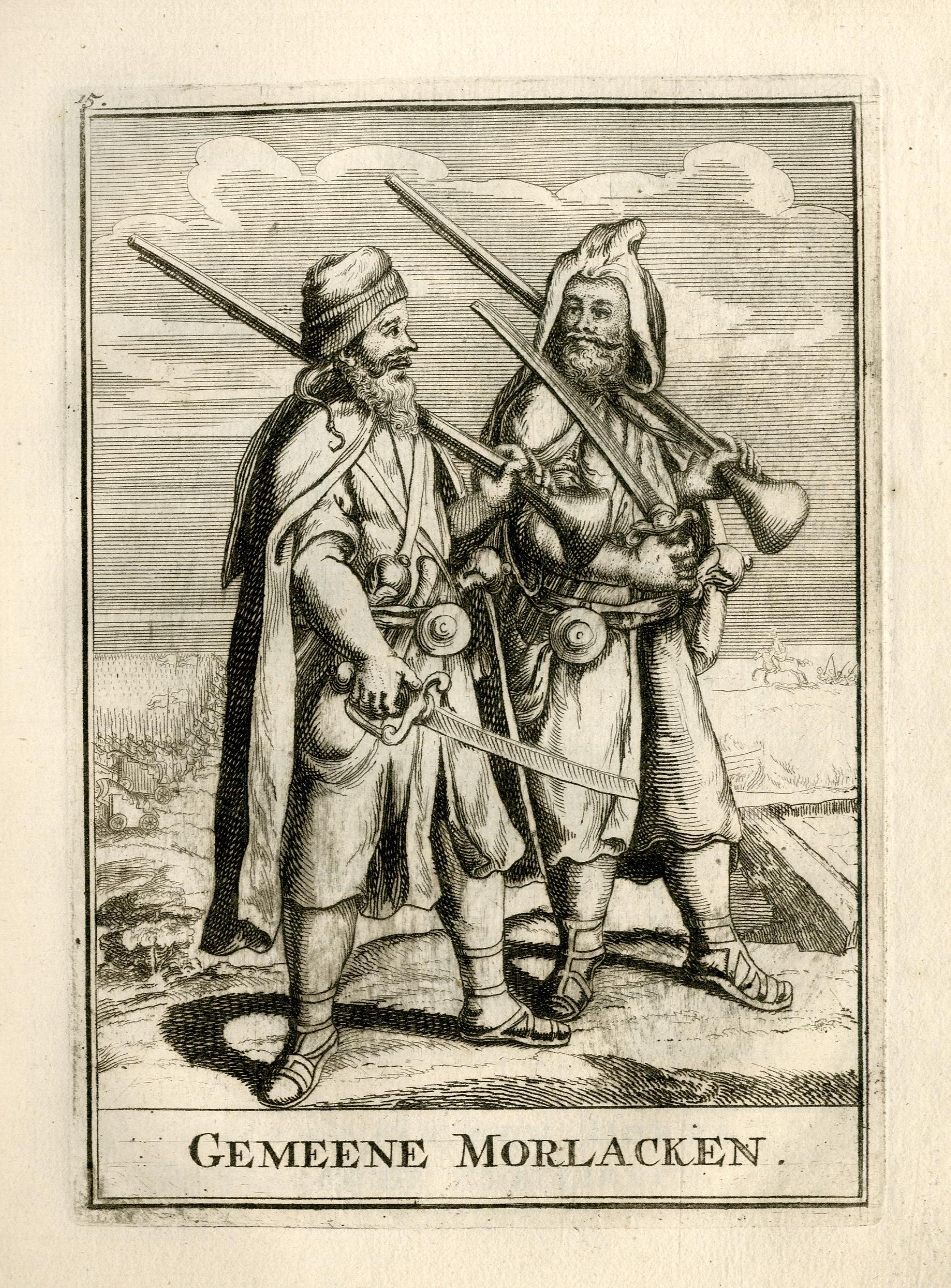
The promotion of Fascist ideology among the Middle Eastern populations, and in particular in Egypt and Palestine, was driven by political priorities rather than ideological imperatives insofar as propaganda was carefully employed to expand the economic and military capacity of Fascist Italy.
While the Italians in Palestine were a few thousands (mostly Italian jews), the size of the community in Egypt had reached around 55,000 persons just before World War II, forming the second largest expatriate community in Egypt and greatly influencing the local society. The expansion of the colonial Italian Empire after World War I was even directed toward Egypt by Benito Mussolini, in order to control the Suez Canal.
So, the Italian "Duce" created in the late 1920s/early 1930s some sections of the National Fascist Party (NFP) in Alexandria and Cairo, and many hundreds of Italian Egyptians become members of it. Even some Italo-egyptian intellectuals, like Filippo Tommaso Marinetti (founder of the "Futurism") and the famous poet Giuseppe Ungaretti, were supporters of the Italian nationalism in their native Alexandria and promoted the Italian influence in Egypt. Furthermore, some egyptians were influenced by the ideals of the fascism promoted by the NFP sections in Egypt, like the founder of the "Muslim Brotherhood" Al-Hasan Al-Banna. As a consequence, during World War II the British authorities interned in concentration camps nearly 8,000 Italian Egyptians with sympathy for Italian fascism, in order to prevent sabotage after the Italian Army attacked western Egypt in summer 1940. However until 1941 the king Faisal of Egypt (famous for his pro-Italian attitude & sympathies) always successfully blocked those internments.
An X pinpoints the young Gamal Abdel Nasser in a group of fascist "Green shirts"
Consequently many young arabs were influenced by Italian fascism. The most famous were Anwar Sadat and Gamal Abdel Nasser, two important presidents of Egypt after WWII. Sadat was active in many political movements, including the "Muslim Brotherhood", the fascist "Young Egypt", the pro-palace "Iron Guard", and a secret military group called the "Free Officers", which sought to liberate Egypt from British influence with help from the Axis powers. He spent much of World War II in jail for aiding Italy & Germany in their efforts to force the British from Egypt. Nasser was a member of the fascist organization "Young Egypt" for 2 years just before WWII. When the Italo-german troops of Rommel attacked Egypt in 1941, Nasser -then a young officer of the Egyptian Army- declared that he was ready for a "revolt" against the British empire in case the Axis reached the Nile delta.
Indeed in the summer of 1942, when Rommel's Afrikakorps stood just over 100 kilometers from Alexandria and were poised to march into Cairo, Sadat, Nasser and their buddies were in close touch with the Italo-german attacking force and —even with Muslim Brotherhood help— preparing an anti-British uprising in Egypt's capital. A treaty with the Axis including provisions for recognition of an independent, but pro-Axis Egypt had been drafted by Sadat, guaranteeing that “no British soldier would leave Cairo alive”. When Rommel's push east failed at El Alamein in the fall of 1942, Sadat and several of his co-conspirators were arrested by the British and sat out much of the remainder of the war in jail.
For about five years, from the end of 1933 to the end of 1938, political life in Egypt saw the rise of paramilitary youth groups known as the "Green Shirts", founded by the fascist Young Egypt Society ("Misr al-Fatah") that was created in October 1933 by the attorney Ahmed Hussein, and the "Blue Shirts", founded by the Wafd nationalist (and half-fascist) Party for its younger members. Mussolini openly supported the Green Shirts, who were said to be even connected to the main adviser of king Faruk, the Italo-egyptian Antonio Pulli until his forced resignation on February 4, 1942.
After 1939 grew in importance the secret military organization called Free Officers ("Al-Dubbat al-Hahrar") that even worked with the Italian secret services (SIM) to create manifestations & revolts in Egypt against the British rule, mainly in summer 1942 (read Italian SIM and Egypt fascists during WW2, in Italian language ). Indeed when the Axis troops reached El Alamein in summer 1942, the Italian & German secret services -according to the British Intelligence service- promoted huge demonstrations in the main Egyptian cities, where crowds of thousands of Egyptians screamed "Away the British empire" and "Welcome Axis" and a popular revolt was feared by the Allies. As a consequence in 1942/43 nearly 6000 egyptian officers (like Sadat) were interned for security reasons in concentration camps by the British military for some years.
In Palestine the Italian influence was not strong as in Egypt and was practically limited to radio propaganda in arab language from the famous "Radio Bari", even because Mussolini had a good relationship with the Zionist Revisionist forces. Indeed the military Navy of Israel was initially created in the late 1930s by Italy thanks to Maurizio Rava, an Italian jew who was a fascist leader and a colonial governor: the Betar Naval Academy was a Jewish naval training school established in Civitavecchia, near Rome, in 1934 by the Revisionist Zionist movement under the direction of Ze'ev Jabotinsky, with the agreement of the same Mussolini.
Furthermore, Mussolini in 1934 sought to gain favourable support for Italy's intervention in Ethiopia, and appealed to Zionists by offering them a solution to the Jewish question, in which Italy would set aside a certain amount of territory from conquered Ethiopia to be a homeland for Jews. Mussolini claimed that territory from conquered Ethiopia would make an ideal homeland for the Jews, noting that there were large numbers of "Falasha" (black jews) already living there who identified as Jews. However Zionist leaders rejected this proposal, saying that they would only live in the Holy Land in the Levant. Mussolini viewed this as an offensive snub, and responded in frustration saying "If Ethiopia is good enough for my Italians why isn't it good enough for you Jews?". Afterwards Mussolini's relations with the Zionist movement cooled, and he did not maintain his tentative to increase the Italian presence/influence between Palestine's jews.
However during the 1930s the italian secret service SIM was always connected to the muslim "Mufti" of Jerusalem (Amin al-Husseini). After Mussolini's alliance with Hitler, the local arab fascists started to be helped even with some money support. Indeed Italian involvement (read Mussolini's help to the arab revolt in British Palestine (1936 - 1939) ) in the Arab Revolt in Palestine, from 1936 to 1939, was an attempt to destabilize London's position in the Middle East. In 1941 there was even a meeting in Rome between the Mufti and Mussolini, when he took refuge in Italy after escaping from the Middle East.
The following are excerpts from a book written by Manuela Williamsand and titled "Mussolini's War of Words: Italian Propaganda and Subversion in Egypt and Palestine, 1934-1939":
-------------------------------------------------------------------------------------------------
"....In the 1920s, the Fascist regime attempted to establish its presence in the international arena by targeting primarily the numerous Italian communities overseas. The "fascistizzazione" of Italian society went hand in hand with the process of expansion of Italian culture abroad and the gradual centralisation of Italian diplomatic and cultural institutions such as the "Direzione Generale delle Scuole Italiane all’Estero and the Fasci all’Estero", which were brought under the umbrella of the Ministry of Foreign Affairs.14 In 1927, new reforms were introduced to tie Italian nationals living overseas to the metropole, which led to the creation of the "Direzione Generale degli Italiani all’Estero" and of the "Comitato per l’Espansione della Cultura all’Estero"; however, the vigorous drive towards the rapid fascistizzazione and ideological mobilisation of Italians abroad carried the risk of sowing division within the Italian communities and alienate them from the political and social environment in which they had until then prospered. At the heart of the cultural, political and economic expansion of Fascist Italy was the "Società Nazionale Dante Alighieri", established in Rome in 1899 to disseminate the Italian language and culture overseas. Throughout the 1920s the Dante Alighieri society was gradually incorporated into the propaganda machine of the regime, although it would be fair to say that despite the initial resistance of the Dante Alighieri, the relationship between the society and the government was based on collaboration and common nationalist ideals; such strong nationalist component furthered «the rapid identification of the objectives of the society itself with those of the regime».
In the 1930s, the organisation of propaganda overseas received new impetus as the regime became increasingly keen to proclaim the international and universal nature of Fascism. The process of expansion of Italian propaganda overseas, which would no longer target Italian nationals but engage foreign audiences in a bid to overturn prejudices and stereotypes that had marred perceptions and understanding of the Fascist regime, was mainly driven by Italian Ministry of Foreign Affairs. In 1932, Mussolini took over the interim direction of the Ministry and reformed its structure: as a result, five distinct sections emerged based on a subject-area division: Political Affairs – that since the 1887 Pisani-Dossi reform had retained clear primacy – Economic Affairs, Treaties and Private Affairs, Personnel, Italians Abroad and Schools.
The centralization of Italian propaganda and cultural diplomacy was supported by La Farnesina (the Italian Foreign Ministry) and culminated with the creation of an office for overseas propaganda, under the aegis of the Press Office of the Head of the Government, led since 1933 by Galeazzo Ciano, Mussolini’s son-in-law. The propaganda apparatus that began to emerge in 1934 was the brainchild of Ciano, who had been inspired by the establishment of the German Ministry of Popular Enlightenment and Propaganda in March 1933. The newly created overseas propaganda section was initially located within the building of the Ministry of Foreign Affairs with which it kept close relations over time. The strong interdependence between foreign policy and overseas propaganda was also emphasised by the presence of Galeazzo Ciano head first of the Ministry of Press and Propaganda (established in 1935 and renamed Ministry of Popular Culture in 1937) and then of the Ministry of Foreign Affairs.
The strategies adopted by Italian propagandists overseas aimed to provide the most suitable response to local socio-political conditions, and mostly rested on the existing consular and community structures. The activities of the Italian communities overseas have been the subject of recent historical research. In particular, the role of Italian immigrants to the United States and the extent to which they were actively promoting Fascist policies, culture and values, have received considerable attention. Efforts were made to accelerate the process of fascistizzazione of the Italian immigrants and the second generation of Italo-Americans. The Fascist regime engineered the systematic penetration of the numerous cultural and leisure organisations of the Italian community: the Ordine Figli d’Italia, Società Nazionale Dante Alighieri, the Italian Library of Information in New York, the Italy-America Society, the Italian Historical Society, the Casa Italiana at Columbia University among the most renowned. Membership of community institutions was particularly high among the socalled prominenti, a class of successful Italo-American professionals and businessmen that became one of the most important and effective conduits of Fascist propaganda, although once Mussolini fell out of favour in America, the prominenti did not hesitate to denounce Fascism as quickly as they had embraced it.Cannistraro highlights the importance of the immigrant communities «as points of leverage and reference for Italian interests abroad – that is, an Italy lobby in foreign countries».19 Establishing a modus operandi that would be perfected in the Middle East, from the late 1920s Italian propagandists weaved a network that rested on cultural institutions as well as some Catholic parishes and that was dedicated to the promotion of Fascist ideals among Italian immigrants; the outcome was what Italian historian Gaetano Salvemini termed as a «Fascist transmission belt».Propaganda activities would be ultimately coordinated by Italian consular offices, and in particular by the local cultural agent. Italy would thus attempt to influence international perceptions and affairs through soft power as well as diplomatic manoeuvring and military agreements.
The Italian communities overseas were particularly keen to promote the image of a triumphant Italy. For example, in August 1935, when Ciano arrived in Port Said, British sources reported that approximately 3,000 Fascists travelled from all over the country to the town. A crowd of 20,000 people, including those resident in the area, invaded Port Said: «Those who travelled by car scattered coloured leaflets bearing fascist slogans in the streets. Some were in uniforms [...]. They were noisy and aggressive [...]. The demonstration has not done any good to Italian name. The overbearing behaviour of the Fascist contingents has disgusted local people».In Egypt Italian nationals appeared particularly proactive and vociferous; Italian diplomats and intelligence agents and their Egyptian contacts relied on the infrastructures and support of a broad Italian community settled in Cairo, Alexandria and Port Said. Italian communities in Egypt had enjoyed a degree of prosperity and amicable relations with their Muslim neighbours at least until the Abyssinian crisis, when suspicion and resentment towards Italy’s aggression rapidly spread among the Egyptian population. The size and internal structure of the Italian community in Egypt offered a solid base of support to the regime’s propagandists.
Italian census data revealed that in 1936 18,548 Italians lived in Alexandria, some 17,300 in Cairo and around 600 in Port Said. Community life was centred upon a number of cultural, political and recreational associations such as the Fascio, the Società Nazionale Dante Alighieri, the Circolo Italiano Dopolavoro and the Associazione Nazionale Combattenti, all controlled by the government in Rome. These organisations – whose members often operated behind the scenes on behalf of the Italian authorities – did not always appear directly involved in promoting Fascist political propaganda or other activities designed to undermine the internal stability of Egypt and the relations between the Egyptian government and its British counterpart.The Italian authorities appeared extremely proud of the status and achievements of Italian residents in Egypt. At the end of 1936, The Italian Ministry of Foreign Affairs – assessing the activities of Italian nationals in the upper Nile valley – claimed that the «solid, close and patriotic Italian community in Egypt was still providing an outstanding example of the achievements of Italian citizens abroad under the direction of the [Fascist] regime». The social profile of the Italian population of Egypt was rather diversified, including skilled workers, clerks, professionals and entrepreneurs. Some had achieved positions of responsibility within the structures controlled by the Fascist government, others had attempted to enter the high circles of the Egyptian political establishment. A small influx of Italian doctors and foreign doctors holding an Italian degree into the Sudan began in 1934, raising concerns that foreign professionals could be used by the Italian authorities to penetrate social and political circles in the Anglo-Egyptian condominium
Italy and the Middle East in the 1920s and 1930s
The history of Italian propaganda activities in the Middle East dates back to the end of the First World War. In the aftermath of the war, the newly born Fascist movement seemed to sympathise with the nationalistic aspirations of the Middle Eastern peoples with which it shared suspicion and resentment towards the British and French colonial systems. The Fascist leadership established close relations with Arab nationalists whose initiatives were soon championed and amplified by the Italian press, generating among British officials fear of a possible collusion between Italy and the Islamic activists.In the late 1920s, having consolidated his power Mussolini appeared prepared to undertake a more active role in the international arena and sought to build and consolidate an empire, occupying those few territories in North and East Africa that still remained independent. Central to the Fascist ideology and political programme was the notion of empire initially conceived as economic and “spiritual” expansion of the proletarian nation. Towards the end of the 1920s the imperial vocation led the regime to become engaged in the Balkans and in Africa aiming eventually to assert Italian hegemony in the Mediterranean and secure access to the Oceans.Italian foreign-policy makers soon realised that to achieve a position of power in the mare nostrum, Italy had to seek an alliance with forces that could challenge the British imperial and mandatory system from within. The most interesting aspect of Italy’s complex Middle Eastern policy was the unlikely partnership between an aspiring colonial power and an anticolonial movement. In other words, anti-colonialism became in the hands of the regime a tool for colonial expansion. In order to further its political and economic interests in the Middle East and Levant, Italy needed to ensure the friendship and compliance of the Arab nationalists, who in turn would gain the protection of Mussolini’s government, the necessary diplomatic and political leverage, and financial and military support, to force British and French colonial administrators to withdraw from the region. In Syria, for example, the nationalist Misak Party was keen to reach an understanding with the Fascist regime, which would lead to the recognition of an independent Syrian state under a constitutional monarchy, while the Italian government would provide for the security of the Syrian coastline. The alliance between Fascist Italy and Arab leaders would be forged by propaganda. The main task awaiting Italian propagandists was to erase the violent colonial record of Italy in North Africa and Ethiopia, and to promote the image of Mussolini as the champion of modern Islam. However, the response generated by Italian propaganda in the Arab world did not necessarily match the objectives of Fascist foreign policy makers. Suspicion towards the real aims of Mussolini’s policy in the Middle East and resentment at his colonial undertaking in Africa remained widespread, eventually leaving the success of Italian propaganda confined to limited factions of the nationalist movement. The initial thrust consisted mainly of cultural propaganda aimed at strengthening Italian ties with the Arab peoples «by praising Italy and the Fascist system.The Italian government organised a number of initiatives, along with the sponsorship of Arab press, distribution of Italian publications, the foundation of schools and hospitals, the creation of a news agency in Cairo and the institution of Radio Bari, which began to broadcast programmes of music and news in Arabic in March 1934. The aim was originally to restore Italian prestige after the Senussi massacre and the dramatic events in Libya, but the outbreak of hostilities in Abyssinia produced a sudden change in the propaganda campaign orchestrated by the government in Rome. Attacks on British policy in the Middle East became more frequent and direct; attempting to encourage Arab unrest in a region where Britain’s presence was strongly resented, the Italians were hoping to keep British troops engaged in security duties and therefore prevent them from intervening in the Ethiopian war.
Italian cultural propaganda in the Middle East and North Africa dramatically increased in the early 1930s, and targeted mainly students and the Arab nationalist intelligentsia. The considerable variety of publications sent directly from the Ministry of Popular Culture to Italian embassies, consulates and representatives abroad was instrumental in promoting the messages of the Fascist regime. The production of a wide range of books, journals and periodicals increased noticeably with the outbreak of hostilities in East Africa and was primarily designed to praise the achievements of the Fascist regime and emphasise Italian role in the international, and more specifically Middle Eastern, political arena. Academic and cultural institutions also opened to a larger Arab membership, Italian schools organised trips to Italy for Arab students, while the Italian government encouraged and promoted the creation of a Confederation of Oriental Students in Europe based in Rome. The Confederation was launched in December 1933 with great pomp in Rome, where 600 Asian students (including a large Egyptian contingent) were hosted by the Gruppi Universitari Fascisti. Mussolini’s speech was delivered in Italian and English then translated into French and German. The Duce reminded his audience that under the auspices of the Roman empire East met West, and the emerging union of cultures became central to the development of Western civilisation. Such fusion of Eastern and Western values was kept alive by the Fascist regime and would acquire renewed importance during times of political and social instability: «Today Rome and the Mediterranean, with the Fascist spiritual rebirth, are reclaiming their “unifying mission”».However, Mussolini’s attempts to win Arab support were not always successful: Italian manoeuvres were still regarded with suspicion in some Arab circles such as the Arab Youth Committee of Geneva, which boycotted the rally organised in Rome by the Oriental Students in 1933 and denounced it as «an instrument of Italian imperialism».
Cultural and educational exchanges had always been regarded as a key area for the activities of Italian propagandists. This was acknowledged by British officials in the Middle East who had urged the government in London to co-operate with its regional counterparts in order to establish regular exchange programmes for parties of teachers and students who wished to visit the United Kingdom during the summer vacation. The Italians had successfully and ruthlessly exploited their connections with education institutions in Egypt and Palestine providing special discounts for parties interested in visiting Italy; for example, the equivalent of £10 per person would cover a return ticket from Palestine as well as two to three weeks staying in Italy. Undoubtedly, the Italian government’s longstanding ability to manipulate education and leisure for propaganda purposes proved to be invaluable. In 1939, the British Foreign Office expressed anxiety about the inroads made by Italian and German agents into Egyptian schools and universities, where young people had been offered free travelling to Italy and Germany in order to study and understand the Fascist and Nazi movements and their achievements; British officials anticipated that many of the young Egyptians might return home «ardent admirers of the totalitarian states […] and would thereafter act as German and Italian propaganda agents». On the eve of the outbreak of the conflict in Europe, the Foreign Office appeared uncertain about the friendship of the Egyptian people and fearful of losing control of an area that was vital for the defence of the empire.
Palestine
Although the geopolitical map of Italian propaganda activities covers a vast area, from South America to South East Asia, the examination of Egypt and Palestine offers a clear insight into patterns of propaganda and strategies of information adopted by the Fascist regime. Throughout the 1930s, as the Arab-Jewish dispute over Palestinian land grew in intensity, the Italian government adopted a distinct position in support of Arab claims. The directions of Italian policy in Palestine were not based on racial antiSemitic prejudices, but on political and strategic considerations: in the eyes of the Italians, a powerful and independent Jewish community in Palestine, and eventually a Jewish state, would provide a solid and permanent base for Britain in the Mediterranean. Italian endorsement of the Arab cause became even more explicit as a clear division of camps gradually emerged both in Europe and in the Middle East. Thus Italian propaganda bluntly presented the Axis coalition as the saviour of the Arab world. Despite Italian outright support of Arab nationalist demands, Italy’s prestige in the Arab world had been seriously undermined by the war in Abyssinia. Italian officials complained that the Palestinian press had expressed strong disapproval of Italian policies in East Africa. However, officials in Rome were quite certain that, after their initial rejection of Italy’s military campaign in Abyssinia, Palestinian Arab nationalists would come to realise that an alliance with the Fascist regime offered them the best prospects of future independence. All this was cause for concern in London, where British Foreign Office and intelligence officials believed that Italian activities in the Middle East – of which they claimed to have seen substantial evidence – were also part of Mussolini’s war plans, intended to keep Britain ‘fully occupied in her Mandated Territories’ during the hostilities.
Looking at Palestine in the critical years 1935 and 1936, it is possible to observe that the operational pattern adopted to conduct propaganda in that area rather differed from the one that had characterised Italian activities in Egypt. This seems to reflect a Palestinian social and political environment that was crucially distinct from the Egyptian, and in which Italian agents had to deal with markedly different circumstances and actors. First of all, the existence of a British mandatory government removed the opportunity for Italy to find precious allies and sympathisers in the higher or middle spheres of the administration. Second, political interactions in Palestine were rather complex and fraught, based on the development of competing interests of the Arab and Jewish communities, and on the ‘policy of equilibrium’ adopted by the British mandatory authorities. Having already presented Italy as the champion of the Arab people, Mussolini – despite a brief flirtation with the Zionist Revisionist forces – lent his support to the demands of the Palestinian Arab community against the much resented mandatory government, and an even more despised community of Jewish newcomers, seen as the guarantor of British perpetual presence in the Mediterranean and the Middle East.
Like in Egypt, the Italian community appeared broadly cohesive and proactive; many Italian firms, and in particular engineering firms, were directly subsidised by the government in Rome; managers and employees of companies of international reputation, such as insurance brokers Lloyd Triestino and the Banco di Roma, seemed «unceasing in their efforts to disseminate Italian and Fascist propaganda».33 However, the main vehicle of Italian propaganda against British policy in Palestine was information, distorted information according to British sources, disseminated not only through press and radio broadcasts, but also books, pamphlets, leaflets, cartoons, and all types of visual and verbal communications. Pamphlets like Ce que fait l’Italie pour l’Islam et l’Afrique, outlining in the text and emphasising with images that Italy cared about the moral and physical welfare of the Muslim populations by building schools, mosques, hospitals, community centres in its African colonies. Or more gruesome publications like What the League of Nations does not want to see containing pictures illustrating atrocities allegedly committed by Abyssinians against Italians and their supporters. More pamphlets found their ways into Arab households in countries like Egypt, where young Fascist men began to distribute propaganda material in French and Arabic, such as Abyssinia and Slavery, which depicted atrocities and violations committed by the Abyssinians not only against the Italians, but also against local Muslim communities. Four Palestinian newspapers were also believed to be the recipient of funding from Italian agents; among them, «Al jami’a Al Islamiya» was regarded as the most open to Italian bribe and inclined to amplify the messages of Fascist propagandists.
Information was the most effective medium used by the Italian government and its agents for propaganda purposes. Information through press and other printed publications, however, had a limited target of recipients, an elite who was not only literate but also highly educated. Large sections of the Arab populations, particularly in Egypt and Palestine, would have remained oblivious of the message of Italian propagandists if in the 1930s radio broadcasts had not become one of the main instruments of domestic and international propaganda. The key to the success of radio broadcasts was simple: the radio relied upon spoken words leading to a more personal and direct approach compared to that of other media; it was capable of reaching the masses, regardless of their geographical location, social status, education or ideological affiliations; and finally, lacking adequate jamming devices, radio transmissions were extremely difficult to silence.The success of Radio Bari with its broadcasts in Arabic was not overlooked by the British government of Palestine. In November 1935, British officials estimated that over 10,000 licences had already been issued in Palestine, where Bari broadcasts had become increasingly popular in Arab cafes. Radio Bari was created in 1934 by Galeazzo Ciano, at that time director of the Under-secretariat for Press and Propaganda. Initially, Arab programmes were broadcast three times per week and reached the Italian colony of Libya as well as the French and British territories of Morocco, Tunisia, Egypt, Palestine and part of the Red Sea region. They consisted mainly of Arab music, a favourite among listeners, news, likely to reach a wider audience in an area of high illiteracy, and finally talk shows.The language used during the first news broadcasts was classical Arabic, which was understood only by a minority of educated listeners. Fearing a sharp decline in audience, Radio Bari began to employ Egyptian and Palestinian speakers who could be followed by a wider Arab audience.
Already during the summer of 1935, Radio Bari was broadcasting every day and had expanded the length of its well-received programmes. By the end of 1935, Radio Bari broadcasts were becoming increasingly popular, especially in Arab cafes. Arab broadcast news contained a section dedicated to international events, mainly related to Italy and, after the creation of the Axis, to its allies Germany and Japan.
Interestingly, the broadcasts in Arabic appeared to be very discreet about the Italian empire, often leaving out of the bulletin news coming from Somalia, Ethiopia or other regions where Italian policies could be opened to criticism. Reports of events in the Middle East were considered interesting as long as they underlined the contrast between the positive role played by Italy and the repressive measures adopted by Britain and France. As a result, «areas such as Egypt, Palestine, where the relationship between Western Democracies and Arabs was strained, were the ones that hit the headlines». To promote Italy’s diplomatic endeavours and the values and ideology of the regime, Italian propagandists also relied on personal contacts. Among them, most prominently features the Syrian nationalist writer Emir Shakib Arslan who in the 1930s began promoting an alliance between Italy and nationalist forces in Syria and Palestine, and his friend and collaborator Ihsan al-Jabiri, as well as Haj Amin al-Hussaini, the Mufti of Jerusalem, who in the 1930s gradually shifted towards more amicable relations with the Axis powers. In 1934 al-Jabiri and the Mufti were believed to have distributed 30,000 Italian lira to Scout groups and Nazi and Fascist organisations in Palestine.Italian propaganda in Palestine kept its momentum for a few years, exploiting the situation of political and social unrest that was undermining Britain’s presence in its own mandate, in particular at the outbreak of the Arab rebellion of 1936. Eventually, the pressure brought by the intensifying Fascist campaign in the Middle East and the Levant forced the Italians and the British to look for a settlement over the major object of their contention: the Mediterranean sea. The Gentlemen’s Agreement of January 1937 was a first step in this direction. Furthermore, in April 1938, after long on and off negotiations, Rome and London signed the Easter Agreement in which both parties agreed that any form of hostile propaganda would be «inconsistent with the good relations which is the object of the present agreement».Italy’s subversive activities in Palestine seemed to have waned as a result of the agreed settlement. Broadcasts from Radio Bari were reported to have softened their tone, although part of the local press – backed by Rome - still maintained a fairly violent opposition to the mandatory government. By the end of 1940, Italian activities in Palestine were not as preponderant as they had been: Italy had broadened the scope of its overseas propaganda and was simultaneously engaged in various geographical areas. Italian embassies in Portugal, South America, Iran, in the Indian subcontinent and the Far East were by then providing the logistic support for Italy’s promotional activities.
Egypt
During the interwar years Egyptian politics critically shifted from traditional – moderate and West-friendly – values to the adoption of more militant and pan-Arabic models, which gradually re-shaped Egyptian national identity and brought Egypt right to the heart of the Arab world. The escalating tension between nationalist forces and British representatives together with the emergence of a pan-Arab orientation within the nationalist movement created favourable conditions for the Italian government to promote a closer alliance with some Egyptian political and intellectual circles. During the interwar years, and in particular in the late 1930s and early 1940s, Egyptian national consciousness moved from values based on a glorious pharaonic past to the adoption of a shared Arab and Islamic identity. The Arabisation and Islamisation of Egyptian national identity had profound repercussions on Egyptian society and politics and offered new opportunities to Italian propagandists: nationalist forces began to look up to the Axis regimes and borrow their ideological blueprint, as well as political and cultural models.
Italian agents like the journalist Ugo Dadone were instrumental in establishing contacts with radical nationalists. In June 1935, the "Agenzia di Egitto e Oriente" (AEO) was created; on the surface, this was a news agency but behind the scenes the AEO provided local support to the propaganda activities of the Italian government. In particular, it was tasked with developing close relations with the Arab press by offering financial backing to Egyptian newspapers and by bribing journalists.
The Agenzia had its headquarters in Cairo and was placed by Galeazzo Ciano under the direction of Ugo Dadone, previously editor of the «Giornale d’Oriente». Dadone’s directorship of the AEO lasted until 1938 when, as Italy started reorganising and scaling down some of its operations in Egypt, the Agenzia was closed and its functions absorbed by the local branch of the Agenzia Stefani, the official news agency of the Fascist regime. Dadone left for Rome and then Germany, where he would conceivably ease the transfer of propaganda initiatives in the Middle East from the Italians to the Germans, at a time when the Third Reich, initially reluctant to challenge Britain’s presence in the region, had opted for heavier involvement in Arab politics. Dadone’s importance within the Fascist overseas propaganda machine was not downplayed by British officials: «Signor Dadone would, with all the information he has been able to collect in the Near East, no doubt be regarded at Italian headquarters in Rome as an expert of anti-British propaganda». Dadone and his collaborators scoured the political landscape of Egypt in search of support from the more vociferous and militant quarters. Among the youth nationalist organisations approached the Young Egypt movement, for example, was asked to lend its voice to an anti-British campaign during the Abyssinian crisis. In order to ‘inflame Egyptian public opinion as much as possible against Great Britain’, the Italian consular authorities suggested that the main points of the propaganda campaign should be: a) Egyptian application for membership of the League of Nations; b) the restoration of Egyptian rights in Sudan; c) the abolition of the Capitulations; and finally the recognition of Egyptian right to protect the Suez Canal.
The effects of Italian manoeuvres soon became visible. Attracted to Fascist antiparliamentarian ideas and to the financial support promised by the Italian government, the Young Egypt society gave its contribution to the pro-Italian and anti-British campaign orchestrated in Rome. For example, ignoring the wave of indignation that had swept over Egyptian public opinion after the invasion of Abyssinia, at the end of October 1935 members of the Young Egypt movement sent a petition to King Fuad, demanding that Egypt should remain neutral towards the Abyssinian dispute. However, it should be remembered that Young Egypt was by no means representative of the views of mainstream nationalists. Recent scholarly research into 1930s Egypt, has successfully demonstrated that Egyptian public opinion was by and large unreceptive to the allures of the European revisionist powers and the ideological and political constructs of fascism and totalitarianism.
Italian propaganda in Egypt gathered momentum following the increasing tension in East Africa. The Italians, concerned by the mounting hostility expressed by most Egyptian press, began to explore more affective ways to increase the profile of Fascist Italy to the detriment of Britain’s influence in the upper Nile region. Galeazzo Ciano took direct interest on the matter and suggested that existing publicity outlets, and mainly press activities, should be strengthened. In particular he proposed the creation of a news bulletin under the aegis of the Italian Legation in Cairo, which in form and contents ‘would meet the special demands of public opinion in Egypt’. The new organ would make use of material provided by the Italian publication «Giornale d’Oriente» and by intercepts supplied to a wireless receiving set «to be installed in a suitable place with due secrecy». Overall, supported by a well-connected network of agents – and the role of Italian secret services in North Africa deserves special treatment – co-ordinated by the Italian Consular offices and relying on the infrastructures of the Italian community in Egypt, Fascist propaganda carefully attempted to exploit domestic political feuds and nationalist sentiments emerging among Egyptian political and intellectual forces.
The means employed by the Italian government to open new channels of communications with broader sectors of Egyptian society as well as the Palace and parliament were very varied. Attempting to engage in a dialogue with the Egyptian educated urban class, the Italians began to implement an educational programme that would expose Egyptian students to the history and culture of Fascist Italy. Starting from primary education, the Italian authorities were offering a wide range of incentives to pupils interested in Italian history and culture. The two Italian elementary schools in Cairo, for example, provided special subsidies and support to children coming from non affluent backgrounds: shoes in winter, sandals in summer, aprons, books and stationery, together with free meals, were given to poor children to encourage them to register with schools run by Italian authorities. In the only Italian secondary school in Cairo, all subjects – mainly vocational or art-related – were taught in Italian, while books on Italian history and literature were distributed as a reward to the most deserving students. Following strict Fascist traditions, every morning pupils entering the school had to greet the Head Teacher with the Fascist salute. Egyptian universities were also targeted by the Italian propaganda machine. Italian staff at the Faculty of Arts of the Egyptian University in Cairo liaised directly with Italian Ministries in Rome, and actively promoted cultural exchanges by providing financial support to Egyptian students who wished to undertake short-term courses at Italian universities.
Anglo-Egyptian relations deteriorated in the winter of 1935 and through 1936, when unresolved constitutional issues created a state of tension in urban areas between the Palace and middle class youth. This opened new opportunities to Italian propagandists like the Colonial Attaché of the Italian Legation, Patrizi, who in the autumn and winter of 1935 frantically worked to document public demonstrations, fuel resentment and prove that Britain was to blame for the state of unrest in Egypt. The British government laboured to provide an adequate response to Italian propaganda and subversion. Fuelled by the events in East Africa, relations between Rome and London reached a critical stage. British representatives in Egypt called for a more coherent and decisive line of action, which needed integrating into an overarching counter-propaganda and counterintelligence strategy. Italian activities in Egypt continued undisturbed until 1937, when the Gentlemen’s Agreement between Rome and London softened the tone and intensity of Fascist propaganda; however, the British government proved to be somewhat slow in co-ordinating its cultural and information policies designed to mend the broken relations with its Egyptian counterpart and with the leadership of the nationalist movement. This set the trend for the interaction between British, Italians and nationalist forces in Egypt right until the outbreak of the Second World War, when Egyptian and Arab forces fought for the last times to defend Britain and the empire...."
----------------------------------------------------------------------------------
It is noteworthy to pinpoint that Italo Balbo (governor of Italian Libya) in the summer 1940 died in "strange" circumstances: his airplane was shot down by mistake by Italians in the first days of the Italo-british war in WWII north Africa, while flying toward western Egypt. He was in contact (probably in the oasis of Siwa, where he was going) with members of the arab fascist organization "Young Egypt", who were ready for a revolt -and a possible military coup- in Egypt.
In early 1941 the retired Chief of Staff of the Egyptian Army, Field Marshal `Aziyz al-Masriy, along with two Egyptian Army officers: Husayn Dhuwl Fuqar Sabriy and `Abd al-Mun`im Ra'uwf, had attempted to reach the Axis lines aboard an Egyptian Royal air force. A few miles north of Cairo the plane experienced engine trouble and crashed landing on an orange grove in the province of al-Qalyuwbiyah. For a while the three eluded the authorities, but after a while they were caught and brought to trial in May 1941 for having attempted to reach the Axis lines in the Western Desert and thus defecting technically to the "enemy". Security conditions in Egypt remained dangerous for the British in those months. Read for details: The forced abdication of the king of Egypt in February 1942.
In 1942 while the Italian "136th Infantry Division Giovani Fascisti" occupied the oasis of Siwa in western Egypt (see original video of the Italian conquest of the Siwa oasis in June 1942 ), a tiny Egyptian puppet government-in-exile was set up at Siwa (video images of Siwa city hall with Egypt flag during italian occupation, that lasted until November 1942).
Probably this puppet government was the only real & concrete consequence of the Italian influence in Egypt during the late 1930s.
Monday, April 4, 2016
ITALIAN SCHOOLS IN ASMARA
The century from the 1880s -when was created the Italian colony of Eritrea and the first Italians moved to live there- until the 1980s -when started the war against Ethiopia for Eritrea's independence and the last Italian families went away- has seen the creation and development of the Italian schools in Asmara. Its best period coincided with the existence of the "Colonia primogenita", as was called Italian Eritrea in the 60 years of its existence (from 1881 to 1941).
The first schools were those of the catholic missionaries, but in 1902 were officially created by the Italian government the first two elementary schools in Italian Eritrea, with two teachers from Italy: the first and main in Asmara and the second in Cheren (read http://www.scuoleasmara.it/scuola/scuola-coloniale.html ). During colonial times most of the students were Italians, but after WW2 the number of Eritrean students has increased: in 1956 they were 17% of the students (while the Italians were 83%), while in 2015 they were nearly all.
Teachers of Liceo Martini in 1939 The highest-level institution was the Italian Lyceum "Ferdinando Martini" in Eritrea's capital, that was founded in 1926 and in 1935 was named "Liceo Scientifico" (while in 1937 the name was changed to "Liceo Classico") with nearly all the students coming from the Italian community of Asmara: it was returned to be a scientific Lyceum only in 1956, when nearly half of the students were Eritreans. Actually (2014) there are 330 students: 85% are Eritreans and 13% are from other countries, while just a few are italians.
Historian Giulia Barrera wrote that in 1940 there were in Eritrea 75,000 Italian civilians (while the total of Italians reached 100,000 persons when added the military men): 59,000 were male and 16,000 female. Nearly 20,000 children were born from them during colonial times, so the total attendance in those decades to the Italian schools was probably around 30,000 because we have to add the numerous descendants from relationships between Italian soldiers and Eritrean native girls. However the "mixed race" Italo-eritreans went in large numbers even to the schools -reserved by Fascism's racial segregation in the late 1930s- for the native Eritreans.
Indeed, according to Matteo Pretelli (in his "Education in the Italian colonies during the interwar period" of the University of Trieste) in the very first years of Italian rule in Eritrea education was not a priority. The first Italians in the area were soldiers barely interested in educating the indigenous population, beyond having "Askaris" – local troops enrolled in the Italian forces – taught the Italian language (all native battalions had their own educational courses for Askaris and their sons). The Italian colonies in East Africa had limited numbers of settlers to begin with, and, according to observers at the time, it was very difficult to recruit teachers from Italy as they rarely welcomed the move to a tropical climate.
Consequently, Italian Catholic priests -since father Stella and his 1867 "Colonia italo-africana di Sciotel" (read Colonia Sciotel, the first Italian "colony" of 1867-1869 in the Cheren area)- usually played a leading role in the Italian colonial development and the related educational system. They often maintained good relationships with the colonial authorities, which delegated most of the educational work to them. Even before Fascism, missionaries in Italy’s African possessions were in many instances aligned with the government. In 1923, the new Fascist administration officially consigned all education in Eritrea to the Congregation of Santa Anna. Even French and Swedish missionaries retained a significant role until they were sent away during the invasion of Ethiopia in 1935.
Eritrea's Governor Marquis Giuseppe Salvago Raggi (1907–1915) believed that the purpose of education was to train a local elite for posts in the colonial administration. A school for the children of Muslim leaders and notables was therefore established in Keren in 1911 to train students for employment in the telegraph and mail services. In 1921, a "Regio Decreto" established an educational system for the Eritrean native population which consisted of primary schools, schools teaching craft skills, and a type of technical secondary school in Asmara.
Catholic school in 1920s Asmara, where nearly all students were Italians
Consequently, most government and state-recognised schools focused on farming and skilled manual work, some other schools focused to train a small number of interpreters, artisans and accountants and a few schools to train people for administrative posts. However Pretelli pinpointed that it was sometimes hard to convince African students to attend classes regularly, as they usually left as soon as they had learnt the few Italian words that allowed them to be employed as basic interpreters or maids.
After the 1923 "Riforma Gentile" in Asmara were created 3 high schools: the "Liceo Martini", the "Istituto Tecnico Bottego", and in the late 1930s the "Istituto Magistrale".
On the eve of the war on Ethiopia in 1935, native schools in Eritrea enrolled 3194 students including 59 of mixed race, while there were 196 mixed race children in schools for Italians. At that point, almost all the Italian and Eritrean students were members of Fascist youth organizations (mainly the "Gioventu italiana del Littorio").
The fascist Italian regime also banned high educational opportunity for Eritrean citizens, and access to education was limited only up to Grade 5 in order to train some translators, writers and servants. This move mainly emanated from a threat that educated Eritreans would arouse the general public to oppose the Italian colonial rule. The height of this kind of segregation in education was reached after enactment of the 1937 race legislation ("Leggi razziali"), following Mussolini's alliance with Hitler.
In Eritrea in 1939 there were 152 teachers and 86 instructor priests (all of them Italians), with 21 Eritrean assistants: the students were 2254 Italians (1793 in the capital Asmara) and 4177 native Eritreans. However in the school year 1934–1935, in Asmara for Italians there was one "Scuola Media" (enrolling 91 students) and seven elementary schools (with 1010 students) while only six elementary schools for Eritreans (with 1985 students). In all Eritrea there were 3 high schools and 17 elementary schools for Italians, while there were 30 elementary schools for Eritreans (who could additionally do a "Corso biennale di perfezionamento", a two years specialy-improvement course)
In 1940 a group of Italian doctors under the leadership of Dr. Vincenzo Di Meglio promoted the creation of universitary studies in Asmara and in 1941 they created the "Scuola di Medicina" (using a section of the Liceo Martini), linked to the Asmara Hospital (then named "Regina Elena"). It was the first university institution of Eritrea and aimed at the preparation of students for the Faculty of Medicine in the University of Rome. In 1945 was created even the "Corso Universitario di Giurisprudenza" (Law studies) in the Asmara building of the "Missione Cattolica", with professors from Italian universities. Read: Eritrea tascabile 1954
With WW2 and the end of the Italian colonial rule, the educational system started to change in Eritrea, and the Italian schools began to have more and more Eritrean students, while the Italian students diminished with the disappearance of the Italian community in Eritrea. Indeed -from the top in 1941 of nearly 120,000 Italians (including those escaped from Ethiopia)- in 1953 there still were 17,000 Italians in Eritrea, while after only 20 years in 1973 they were reduced to nearly 1,000 (and in 1983 they practically disappeared, remaining only the "mixed-race" Italo-eritreans -read "The Madamato and the Italo-eritreans: Italian Colonialism in Eritrea and Gender Legacies"- and a few dozen old colonists). However until 1947 under British rule the only language used in all the Eritrean schools was the Italian language (with the exception of the few religious schools for Muslims).
In the 1972 graduation of Liceo Scientifico Martini there were Eritreans
The following are excerpts from "Eritrean Memories of the Postcolonial Period: Italian Schools in Asmara", written by Domenica Ghidei & Sabrina Marchetti (www.academia.edu/2587008/Eritreans_memories_of_postcolonial_time_Ambivalence_and_mimicry_at_the_Italian_schools_in_Asmara_con_Domenica_Ghidei_Biidu") : --------------------------------------------------------------------------------------------------------------------------------
<<.......The period from the end of the Second World War to the Derg’s uprising in 1975 represented a distinctive phase of the Italian presence in Eritrea.
These years are indeed remembered as a golden era for the approximately more than 10,000 Italians still living in Asmara. No longer the colonial rulers, they assumed instead the role of a white elite and occupied an hegemonic socio-economic and cultural position in the country. From a cultural perspective, these years represented a highly specific phase in the construction of both Eritrean and Italian national discourses about the colonial past. From an Italian perspective this involved a failure to acknowledge colonial problems, whilst from an Eritrean perspective, this involved highlighting colonial legacies for autonomist discourses.
General history of the Italian Education in Asmara
Italian schools were established in Eritrea during the Italian expansion and had different functions during the colonial period. These included supporting Italian Catholic evangelization, providing shelter to Italo-Eritrean children abandoned as a result of Mussolini’s Racial Laws and educating the children of Italian colonial settlers and officers.
In contrast to what had happened in other colonial regimes, Italian schooling was not originally directed at ‘indigenous’ children. The latter were excluded from education until 1934 and even then most of them could not study past the fourth grade, while the best could do a "Corso biennale di perfezionamento" (2 years improvement course).
After an initial crisis at the end of the colonial period when many Italians left Eritrea, these schools began to acquire new popularity from the late 1940s. A still conspicuous number of Italians (differentiated by generational settlement in Eritrea) attended them, while the number of Eritrean and Italo-Eritrean pupils gradually increased. In our view, this revitalization of Italian schools and the increase in Eritrean children’s enrolment in them can be attributed to a range of factors. One factor was the general rise in schooling for Eritrean children under the British protectorate and the Ethiopian (federal) administration, which stressed the importance of education for the development of the country.
A more important factor was the significant presence of Italian firms, factories, banks, missions, shops, and trade relationships with Italy, which made several Eritrean families consider it advantageous to provide their children with Italian language skills. Moreover, in some cases, Italian or Italo-Eritrean adults in the family (aunts, uncles or adoptive parents) might have pushed for an italianization of their children, in cultural and religious terms.
In the light of these factors, we see the enrolment of Eritrean children in Italian schools as embedded in the hegemonic character of the Italian postcolonial socio-economic and cultural presence in the city of Asmara.
From the end of the 1940s until the mid-1970s the composition of these school classes evolved in terms of gender, class, ethnicity and religion.
In order to provide a suggestive image, we reproduce here a selection of photographs from the website of the organization ‘Il Chichingiolo’ (see Album fotografico ). This is a well-known ‘place of encounter’ between people – mostly Italians – who used to live in Eritrea. The photographs show how, over time, the percentage of black pupils who might have been Eritreans or Italo-Eritreans increased to the point of representing a significant number at the high school level, in the 1970s. Yet Italian children were in many cases the majority. In the case of boarding schools, on the other hand, we know that the residents were mainly Eritrean or Italo-Eritrean children of working or migrant parents who felt compelled to leave their children there.
In 1976 the Italian community had started to disappear, and consequently most students in the Italian schools were Eritreans
The most important Italian schools in Asmara were the following: religious elementary schools initially run by the Daughters of Saint Anna from 1895, while successively managed by the Combonian Sisters Pia della Nigrizia from 1938 (called ‘Istituto Sacra Famiglia’) and by the La Salle Christian Brothers from 1938 (for boys only). The ‘Daniele Comboni’ school was a British school (originally Italian) that ran an Italian section from the late 1940s. To these, we have to add the girls’ boarding school ‘Villaggio Paradiso’ opened by the Ursulines Sisters in 1949 and finally the Italian State Schools, which ran from elementary to high school with specializations in accountancy, surveying, trade and science.
In 1982, the Ethiopian government decided to nationalize the schools of the Daughters of Saint Anna, the La Salle Christian Brothers, and the Combonian Sisters..........>>
--------------------------------------------------------------------------------------------------------------------------------
The Italian State Schools, that are still running in 2015 Asmara, are the elementary school "Michelangelo" (with preschool "Montessori"), the middle school "Volta" and the high school "Marconi": read Noi (Istituto Omnicomprensivo Statale Italiano di Asmara)
After WW2 the elementary school originally served only preschool and grades one to five, but in 1957 added a "Montessori school", which served ages three to five. In 1975, the school ceased most operations due to the breakout of the Eritrean War of Independence, and most of the Italian community left. By 1990, the Montessori school grew to 3 teachers and 4 classes. In 2000, Italy recognized the school, arranging an agreement that the school be accessible to all temporary expatriate families for low cost. Today, 550 students attend this elementary school. Since 2002 there it is even a "Scuola Media" (Middle school) united to the elementary school as 'Istituto Italiano Comprensivo di Scuola Elementare e Scuola Media'. The "Lyceum" (founded in 1935 as "Liceo Martini" ) since 1986 has experienced changes in the teaching programs (with language, technical and professional sections) and is now called "Liceo Marconi": the actual 330 students are nearly all Eritreans.
Finally it is noteworthy to remember that the "University of Asmara" was created by Italian religious organizations. Indeed The University of Asmara (UoA) was the nation's first university, and was founded in 1958 by the 'Piae Madres Nigritiae' (Comboni Sisters). The school was meant to provide for the local population, though its initial enrollment in the 1950s was entirely Italian. The university was founded with the name "Collegio Cattolico della Santa Famiglia": the roots were in the 1941 "Scuola di Medicina", linked to the Asmara Hospital (then named "Regina Elena"). In the early years, the curriculum reflected Italian educational plans, and courses were taught in Italian with a view to preparing students to receive the "laurea" (degree) from a university in Italy.
In 1958, members of the missionary congregation 'Piae Madres Nigritiae' or Comboni Sisters began private education classes for 10 Italian female students. The "Holy Family University Institute" was founded by the Italian Sister Marianora and Sister Fosca with a few Ethiopian money and great determination. After opening with courses in modern Languages, Economics and Commerce, by 1960 they added Mathematics, Engineering and Architecture. By 1964, the university had been renamed as "University of Asmara" and began offering Associate Diploma programs in the Arts, Commerce, and the Sciences. In 1968 half the students were Italians and the other half was made of Eritreans, Ethiopians and Africans.
Some of the last Italian students of Eritrea, who graduated at the University of Asmara in 1972
In 1979 the new Eritrean president pushed through a major reorganization of the curriculum and structure: the next years saw an increase in students at the UoA from 300 to 2,700 in the mid 1980s, but with just a very few remaining Italian students (read: History of UoA)
Post Scriptum: Sadly in 2021 has been closed the "Istituto Italiano Statale Onmnicomprensivo di Asmara" in the Eritrea's capital and there are in all Erirea in that year only 407 Italian citizens (of whom more than half were born in Eritrea). So the "Italian eritrean" language is reduced to a few thousands speakers (https://www.academia.edu/126312887/REVELLI_Luisa_2024_Italiani_asmarini_profili_di_parlanti_e_variet%C3%A0_nell_Eritrea_contemporanea_In_Raymond_Siebetcheu_ed_La_lingua_italiana_in_Africa_LAfrica_nella_lingua_italiana_Siena_Edizioni_Universit%C3%A0_per_Stranieri_di_Siena_pp_47_59?nav_from=0340d8af-7420-41b3-863d-2b1d3b28eaf4) ==============================================
For further information read Schools & Institutions in AOI (or go to see maps on http://docplayer.it/11756343-4-l-eta-della-guerra-possedimenti-italiani-dell-egeo-istituzioni-culturali-italiane-1940.html)
The first schools were those of the catholic missionaries, but in 1902 were officially created by the Italian government the first two elementary schools in Italian Eritrea, with two teachers from Italy: the first and main in Asmara and the second in Cheren (read http://www.scuoleasmara.it/scuola/scuola-coloniale.html ). During colonial times most of the students were Italians, but after WW2 the number of Eritrean students has increased: in 1956 they were 17% of the students (while the Italians were 83%), while in 2015 they were nearly all.
Teachers of Liceo Martini in 1939 The highest-level institution was the Italian Lyceum "Ferdinando Martini" in Eritrea's capital, that was founded in 1926 and in 1935 was named "Liceo Scientifico" (while in 1937 the name was changed to "Liceo Classico") with nearly all the students coming from the Italian community of Asmara: it was returned to be a scientific Lyceum only in 1956, when nearly half of the students were Eritreans. Actually (2014) there are 330 students: 85% are Eritreans and 13% are from other countries, while just a few are italians.
Historian Giulia Barrera wrote that in 1940 there were in Eritrea 75,000 Italian civilians (while the total of Italians reached 100,000 persons when added the military men): 59,000 were male and 16,000 female. Nearly 20,000 children were born from them during colonial times, so the total attendance in those decades to the Italian schools was probably around 30,000 because we have to add the numerous descendants from relationships between Italian soldiers and Eritrean native girls. However the "mixed race" Italo-eritreans went in large numbers even to the schools -reserved by Fascism's racial segregation in the late 1930s- for the native Eritreans.
Indeed, according to Matteo Pretelli (in his "Education in the Italian colonies during the interwar period" of the University of Trieste) in the very first years of Italian rule in Eritrea education was not a priority. The first Italians in the area were soldiers barely interested in educating the indigenous population, beyond having "Askaris" – local troops enrolled in the Italian forces – taught the Italian language (all native battalions had their own educational courses for Askaris and their sons). The Italian colonies in East Africa had limited numbers of settlers to begin with, and, according to observers at the time, it was very difficult to recruit teachers from Italy as they rarely welcomed the move to a tropical climate.
Consequently, Italian Catholic priests -since father Stella and his 1867 "Colonia italo-africana di Sciotel" (read Colonia Sciotel, the first Italian "colony" of 1867-1869 in the Cheren area)- usually played a leading role in the Italian colonial development and the related educational system. They often maintained good relationships with the colonial authorities, which delegated most of the educational work to them. Even before Fascism, missionaries in Italy’s African possessions were in many instances aligned with the government. In 1923, the new Fascist administration officially consigned all education in Eritrea to the Congregation of Santa Anna. Even French and Swedish missionaries retained a significant role until they were sent away during the invasion of Ethiopia in 1935.
Eritrea's Governor Marquis Giuseppe Salvago Raggi (1907–1915) believed that the purpose of education was to train a local elite for posts in the colonial administration. A school for the children of Muslim leaders and notables was therefore established in Keren in 1911 to train students for employment in the telegraph and mail services. In 1921, a "Regio Decreto" established an educational system for the Eritrean native population which consisted of primary schools, schools teaching craft skills, and a type of technical secondary school in Asmara.
Catholic school in 1920s Asmara, where nearly all students were Italians
Consequently, most government and state-recognised schools focused on farming and skilled manual work, some other schools focused to train a small number of interpreters, artisans and accountants and a few schools to train people for administrative posts. However Pretelli pinpointed that it was sometimes hard to convince African students to attend classes regularly, as they usually left as soon as they had learnt the few Italian words that allowed them to be employed as basic interpreters or maids.
After the 1923 "Riforma Gentile" in Asmara were created 3 high schools: the "Liceo Martini", the "Istituto Tecnico Bottego", and in the late 1930s the "Istituto Magistrale".
On the eve of the war on Ethiopia in 1935, native schools in Eritrea enrolled 3194 students including 59 of mixed race, while there were 196 mixed race children in schools for Italians. At that point, almost all the Italian and Eritrean students were members of Fascist youth organizations (mainly the "Gioventu italiana del Littorio").
The fascist Italian regime also banned high educational opportunity for Eritrean citizens, and access to education was limited only up to Grade 5 in order to train some translators, writers and servants. This move mainly emanated from a threat that educated Eritreans would arouse the general public to oppose the Italian colonial rule. The height of this kind of segregation in education was reached after enactment of the 1937 race legislation ("Leggi razziali"), following Mussolini's alliance with Hitler.
In Eritrea in 1939 there were 152 teachers and 86 instructor priests (all of them Italians), with 21 Eritrean assistants: the students were 2254 Italians (1793 in the capital Asmara) and 4177 native Eritreans. However in the school year 1934–1935, in Asmara for Italians there was one "Scuola Media" (enrolling 91 students) and seven elementary schools (with 1010 students) while only six elementary schools for Eritreans (with 1985 students). In all Eritrea there were 3 high schools and 17 elementary schools for Italians, while there were 30 elementary schools for Eritreans (who could additionally do a "Corso biennale di perfezionamento", a two years specialy-improvement course)
In 1940 a group of Italian doctors under the leadership of Dr. Vincenzo Di Meglio promoted the creation of universitary studies in Asmara and in 1941 they created the "Scuola di Medicina" (using a section of the Liceo Martini), linked to the Asmara Hospital (then named "Regina Elena"). It was the first university institution of Eritrea and aimed at the preparation of students for the Faculty of Medicine in the University of Rome. In 1945 was created even the "Corso Universitario di Giurisprudenza" (Law studies) in the Asmara building of the "Missione Cattolica", with professors from Italian universities. Read: Eritrea tascabile 1954
With WW2 and the end of the Italian colonial rule, the educational system started to change in Eritrea, and the Italian schools began to have more and more Eritrean students, while the Italian students diminished with the disappearance of the Italian community in Eritrea. Indeed -from the top in 1941 of nearly 120,000 Italians (including those escaped from Ethiopia)- in 1953 there still were 17,000 Italians in Eritrea, while after only 20 years in 1973 they were reduced to nearly 1,000 (and in 1983 they practically disappeared, remaining only the "mixed-race" Italo-eritreans -read "The Madamato and the Italo-eritreans: Italian Colonialism in Eritrea and Gender Legacies"- and a few dozen old colonists). However until 1947 under British rule the only language used in all the Eritrean schools was the Italian language (with the exception of the few religious schools for Muslims).
In the 1972 graduation of Liceo Scientifico Martini there were Eritreans
The following are excerpts from "Eritrean Memories of the Postcolonial Period: Italian Schools in Asmara", written by Domenica Ghidei & Sabrina Marchetti (www.academia.edu/2587008/Eritreans_memories_of_postcolonial_time_Ambivalence_and_mimicry_at_the_Italian_schools_in_Asmara_con_Domenica_Ghidei_Biidu") : --------------------------------------------------------------------------------------------------------------------------------
<<.......The period from the end of the Second World War to the Derg’s uprising in 1975 represented a distinctive phase of the Italian presence in Eritrea.
These years are indeed remembered as a golden era for the approximately more than 10,000 Italians still living in Asmara. No longer the colonial rulers, they assumed instead the role of a white elite and occupied an hegemonic socio-economic and cultural position in the country. From a cultural perspective, these years represented a highly specific phase in the construction of both Eritrean and Italian national discourses about the colonial past. From an Italian perspective this involved a failure to acknowledge colonial problems, whilst from an Eritrean perspective, this involved highlighting colonial legacies for autonomist discourses.
General history of the Italian Education in Asmara
Italian schools were established in Eritrea during the Italian expansion and had different functions during the colonial period. These included supporting Italian Catholic evangelization, providing shelter to Italo-Eritrean children abandoned as a result of Mussolini’s Racial Laws and educating the children of Italian colonial settlers and officers.
In contrast to what had happened in other colonial regimes, Italian schooling was not originally directed at ‘indigenous’ children. The latter were excluded from education until 1934 and even then most of them could not study past the fourth grade, while the best could do a "Corso biennale di perfezionamento" (2 years improvement course).
After an initial crisis at the end of the colonial period when many Italians left Eritrea, these schools began to acquire new popularity from the late 1940s. A still conspicuous number of Italians (differentiated by generational settlement in Eritrea) attended them, while the number of Eritrean and Italo-Eritrean pupils gradually increased. In our view, this revitalization of Italian schools and the increase in Eritrean children’s enrolment in them can be attributed to a range of factors. One factor was the general rise in schooling for Eritrean children under the British protectorate and the Ethiopian (federal) administration, which stressed the importance of education for the development of the country.
A more important factor was the significant presence of Italian firms, factories, banks, missions, shops, and trade relationships with Italy, which made several Eritrean families consider it advantageous to provide their children with Italian language skills. Moreover, in some cases, Italian or Italo-Eritrean adults in the family (aunts, uncles or adoptive parents) might have pushed for an italianization of their children, in cultural and religious terms.
In the light of these factors, we see the enrolment of Eritrean children in Italian schools as embedded in the hegemonic character of the Italian postcolonial socio-economic and cultural presence in the city of Asmara.
From the end of the 1940s until the mid-1970s the composition of these school classes evolved in terms of gender, class, ethnicity and religion.
In order to provide a suggestive image, we reproduce here a selection of photographs from the website of the organization ‘Il Chichingiolo’ (see Album fotografico ). This is a well-known ‘place of encounter’ between people – mostly Italians – who used to live in Eritrea. The photographs show how, over time, the percentage of black pupils who might have been Eritreans or Italo-Eritreans increased to the point of representing a significant number at the high school level, in the 1970s. Yet Italian children were in many cases the majority. In the case of boarding schools, on the other hand, we know that the residents were mainly Eritrean or Italo-Eritrean children of working or migrant parents who felt compelled to leave their children there.
In 1976 the Italian community had started to disappear, and consequently most students in the Italian schools were Eritreans
The most important Italian schools in Asmara were the following: religious elementary schools initially run by the Daughters of Saint Anna from 1895, while successively managed by the Combonian Sisters Pia della Nigrizia from 1938 (called ‘Istituto Sacra Famiglia’) and by the La Salle Christian Brothers from 1938 (for boys only). The ‘Daniele Comboni’ school was a British school (originally Italian) that ran an Italian section from the late 1940s. To these, we have to add the girls’ boarding school ‘Villaggio Paradiso’ opened by the Ursulines Sisters in 1949 and finally the Italian State Schools, which ran from elementary to high school with specializations in accountancy, surveying, trade and science.
In 1982, the Ethiopian government decided to nationalize the schools of the Daughters of Saint Anna, the La Salle Christian Brothers, and the Combonian Sisters..........>>
--------------------------------------------------------------------------------------------------------------------------------
The Italian State Schools, that are still running in 2015 Asmara, are the elementary school "Michelangelo" (with preschool "Montessori"), the middle school "Volta" and the high school "Marconi": read Noi (Istituto Omnicomprensivo Statale Italiano di Asmara)
After WW2 the elementary school originally served only preschool and grades one to five, but in 1957 added a "Montessori school", which served ages three to five. In 1975, the school ceased most operations due to the breakout of the Eritrean War of Independence, and most of the Italian community left. By 1990, the Montessori school grew to 3 teachers and 4 classes. In 2000, Italy recognized the school, arranging an agreement that the school be accessible to all temporary expatriate families for low cost. Today, 550 students attend this elementary school. Since 2002 there it is even a "Scuola Media" (Middle school) united to the elementary school as 'Istituto Italiano Comprensivo di Scuola Elementare e Scuola Media'. The "Lyceum" (founded in 1935 as "Liceo Martini" ) since 1986 has experienced changes in the teaching programs (with language, technical and professional sections) and is now called "Liceo Marconi": the actual 330 students are nearly all Eritreans.
Finally it is noteworthy to remember that the "University of Asmara" was created by Italian religious organizations. Indeed The University of Asmara (UoA) was the nation's first university, and was founded in 1958 by the 'Piae Madres Nigritiae' (Comboni Sisters). The school was meant to provide for the local population, though its initial enrollment in the 1950s was entirely Italian. The university was founded with the name "Collegio Cattolico della Santa Famiglia": the roots were in the 1941 "Scuola di Medicina", linked to the Asmara Hospital (then named "Regina Elena"). In the early years, the curriculum reflected Italian educational plans, and courses were taught in Italian with a view to preparing students to receive the "laurea" (degree) from a university in Italy.
In 1958, members of the missionary congregation 'Piae Madres Nigritiae' or Comboni Sisters began private education classes for 10 Italian female students. The "Holy Family University Institute" was founded by the Italian Sister Marianora and Sister Fosca with a few Ethiopian money and great determination. After opening with courses in modern Languages, Economics and Commerce, by 1960 they added Mathematics, Engineering and Architecture. By 1964, the university had been renamed as "University of Asmara" and began offering Associate Diploma programs in the Arts, Commerce, and the Sciences. In 1968 half the students were Italians and the other half was made of Eritreans, Ethiopians and Africans.
Some of the last Italian students of Eritrea, who graduated at the University of Asmara in 1972
In 1979 the new Eritrean president pushed through a major reorganization of the curriculum and structure: the next years saw an increase in students at the UoA from 300 to 2,700 in the mid 1980s, but with just a very few remaining Italian students (read: History of UoA)
Post Scriptum: Sadly in 2021 has been closed the "Istituto Italiano Statale Onmnicomprensivo di Asmara" in the Eritrea's capital and there are in all Erirea in that year only 407 Italian citizens (of whom more than half were born in Eritrea). So the "Italian eritrean" language is reduced to a few thousands speakers (https://www.academia.edu/126312887/REVELLI_Luisa_2024_Italiani_asmarini_profili_di_parlanti_e_variet%C3%A0_nell_Eritrea_contemporanea_In_Raymond_Siebetcheu_ed_La_lingua_italiana_in_Africa_LAfrica_nella_lingua_italiana_Siena_Edizioni_Universit%C3%A0_per_Stranieri_di_Siena_pp_47_59?nav_from=0340d8af-7420-41b3-863d-2b1d3b28eaf4) ==============================================
For further information read Schools & Institutions in AOI (or go to see maps on http://docplayer.it/11756343-4-l-eta-della-guerra-possedimenti-italiani-dell-egeo-istituzioni-culturali-italiane-1940.html)
Subscribe to:
Posts (Atom)